 Dynetic Motor
Dynetic Motor
Dynetic Motor
Choosing among the 7 Best Gear Motor Options for Global Buyers requires more than comparing price and torque. A gear motor may look efficient on a product page, yet fail under dust, heat, overload, or frequent starts. The International Energy Agency reports that electric motor systems consume roughly half of the world’s electricity. The U.S. Department of Energy also notes that motor-driven systems can represent nearly 70% of industrial electricity use in manufacturing facilities. These figures make efficiency, service life, and control compatibility practical purchasing concerns.
This guide examines seven Gear Motor Options across common applications, including conveyors, packaging lines, automated doors, medical equipment, and small material-handling systems. It considers motor type, reduction ratio, rated torque, duty cycle, noise, ingress protection, brake design, and voltage compatibility. Global buyers should also check IEC 60034 requirements, supplier quality systems, spare-part availability, and local after-sales support. Reports from Grand View Research and MarketsandMarkets indicate continued growth in the gear motor market, driven by factory automation, logistics, and energy-efficiency upgrades. However, market forecasts are not purchasing guarantees. Real performance depends on load profiles, installation accuracy, lubrication, and maintenance discipline.
No option fits every machine. A compact planetary unit may deliver high torque in limited space, while a worm gear motor may offer simpler installation and strong holding performance. Helical, bevel, spur, parallel-shaft, and hypoid designs each involve trade-offs. This comparison aims to make those differences clearer, although any shortlist can oversimplify a real engineering decision. Buyers should validate final selections through duty-cycle calculations, supplier documentation, and field testing before committing to volume orders.
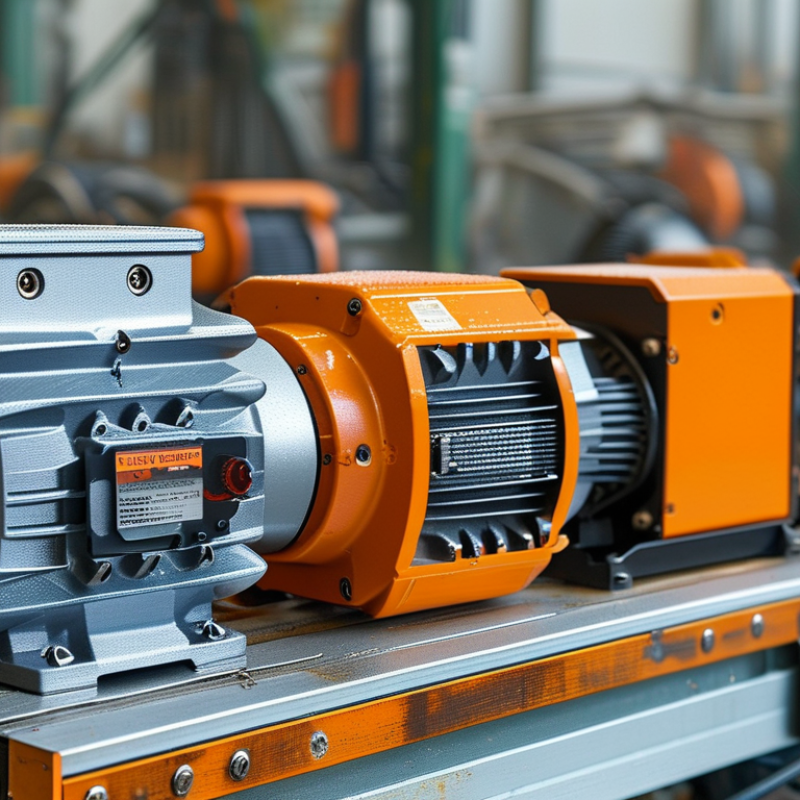
A gear motor combines an electric motor with a gearbox. The motor creates rotation, while the gears reduce speed and increase usable torque. A small shaft can then move a conveyor, valve, mixer, or lifting mechanism. It turns slowly. That controlled motion is the main advantage.
The seven common options serve different working conditions. Spur gear motors are simple and economical for light loads. Helical gear motors run more smoothly and quietly. Planetary gear motors provide high torque in compact spaces. Worm gear motors offer strong reduction and useful holding performance. Bevel gear motors change the rotation direction efficiently. Parallel-shaft gear motors suit narrow machine layouts. Right-angle gear motors save space around corners. Each design has trade-offs. A worm gearbox may waste more energy as heat. A planetary unit may cost more than necessary.
When selecting one, check output torque, speed, duty cycle, voltage, mounting position, and shaft load. For outdoor equipment, inspect the enclosure rating and corrosion resistance. A motor rated for continuous operation may still overheat under repeated overloads. Measure the actual load, not just the advertised machine capacity. Leave a safety margin, but avoid excessive oversizing. It can increase cost and reduce control precision. Gear backlash also deserves attention in positioning systems. A careful buyer should request test data, wiring details, noise limits, and service guidance before ordering. Perform a trial run under realistic load. That step often reveals vibration, heat, or unexpected startup current.
: A gear motor combines an electric motor with a gearbox. The motor creates rotation. The gearbox reduces speed and increases usable torque. This controlled movement can drive a conveyor, valve, mixer, or lifting mechanism. It usually turns slowly.
Common designs include spur, helical, planetary, worm, bevel, parallel-shaft, and right-angle units. Spur designs suit simple, light-duty applications. Helical units generally run more smoothly and quietly. Planetary units provide high torque in compact spaces. Worm designs offer strong reduction and holding resistance. Each option has trade-offs.
Start with the real driven load, not the catalog price. Check output torque, speed, gear ratio, voltage, power, and duty cycle. Measure the actual load on the shaft. An 80-kilogram conveyor needs different torque from a small dosing pump. Include a reasonable safety margin. Oversizing can reduce control precision.
Starting torque shows whether the motor can begin movement under real conditions. Cold grease, heavy loads, or inclined conveyors can increase starting resistance. A motor may work on paper yet stall during startup. That detail is easy to miss. Test the unit with the expected load.
Efficiency depends on speed, load, gearbox losses, temperature, and operating hours. Worm gearboxes may convert more energy into heat. Helical gearboxes often transmit motion smoothly. Planetary units can deliver strong torque but may cost more. Ask for efficiency data at the actual operating point. Labels alone are not enough.
Match the enclosure rating to dust, moisture, and washdown conditions. Outdoor equipment may also need corrosion-resistant materials. A sealed enclosure is not automatically suitable for every environment. Check operating temperature and ventilation space. Repeated overloads can still cause overheating.
Confirm voltage, frequency, mounting dimensions, shaft diameter, keyway, and cable entry. Check the flange pattern carefully. A small drawing error can delay installation. Also verify brake, encoder, overload protection, and control interfaces. Local power requirements may differ from the motor rating.
Request dimensional drawings, wiring details, efficiency curves, noise data, and protection ratings. Ask how each unit is tested before shipment. Useful checks include load testing, insulation testing, backlash inspection, and serial traceability. Confirm realistic lead times and spare-part availability. Packaging matters during long transport. A wooden crate and moisture protection can prevent damage.
Run a pilot unit under realistic load. Measure vibration, temperature, current draw, noise, and startup behavior. Observe the shaft after several operating cycles. Unexpected heating can reveal overload or poor ventilation. A second quotation can expose inconsistent specifications. No process is perfect. Recheck the results before approving larger quantities.
This guide explains what a gear motor is and how it combines an electric motor with a gearbox to deliver controlled speed, increased torque, and reliable mechanical motion. It outlines how global industrial buyers can evaluate gear motors by considering load requirements, operating conditions, duty cycles, mounting arrangements, noise levels, maintenance needs, efficiency, and compatibility with existing equipment. The article also introduces seven practical Gear Motor Options: spur, helical, bevel, worm, planetary, cycloidal, and parallel-shaft designs, highlighting the ideal applications and performance advantages of each type.
In addition, the guide reviews important specifications such as rated torque, output speed, power, gear ratio, protection rating, thermal capacity, and energy efficiency. It emphasizes the importance of selecting a supplier that offers consistent quality, accurate technical documentation, dependable production, customization support, responsive communication, and reliable international shipping. By comparing technical requirements with supplier capabilities, buyers can choose a gear motor solution that delivers long-term performance, compatibility, and value across diverse industrial applications.
