Dynetic Motor

Evolutionary Trends in Micro DC Geared Motor Technology
The global industrial landscape is experiencing a massive paradigm shift characterized by automation, miniaturization, and digitization. In the realm of electromechanical drive engineering, DC gear motors have evolved from basic speed reducers to smart, energy-efficient actuators. As smart devices shrink, the demand for higher torque density in micro packages has skyrocketed.
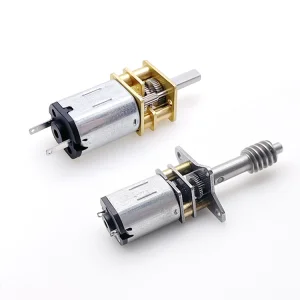
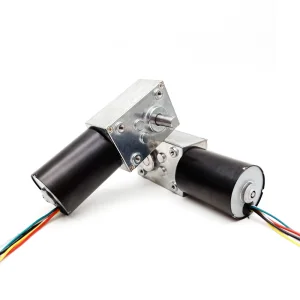
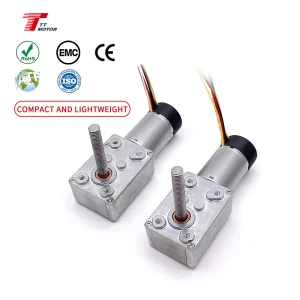
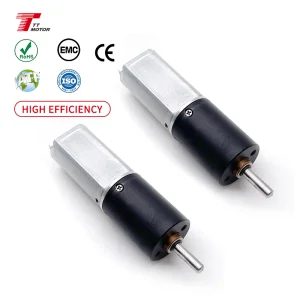
1. Brushless Transition and Energy Optimization: While brushed DC motors remain the baseline due to cost-effectiveness and simplicity, brushless DC (BLDC) gearboxes are dominating high-duty cycle applications. The transition to brushless technologies eliminates brush friction, minimizes heat generation, and dramatically extends service life (up to 10,000+ hours). Dynetic Motor's R&D incorporates state-of-the-art BLDC technology with worm and planetary gearheads to serve zero-maintenance applications.
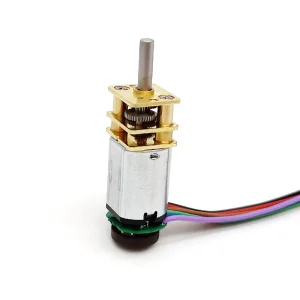
2. Smart Integration and Sensor Integration: The incorporation of Hall-effect encoders, optical encoders, and integrated drive electronics (integrated controllers) directly onto the motor end-caps enables real-time position, speed, and torque feedback. This closed-loop control is essential for modern robotics, automated guided vehicles (AGVs), and smart medical dispensing machines.
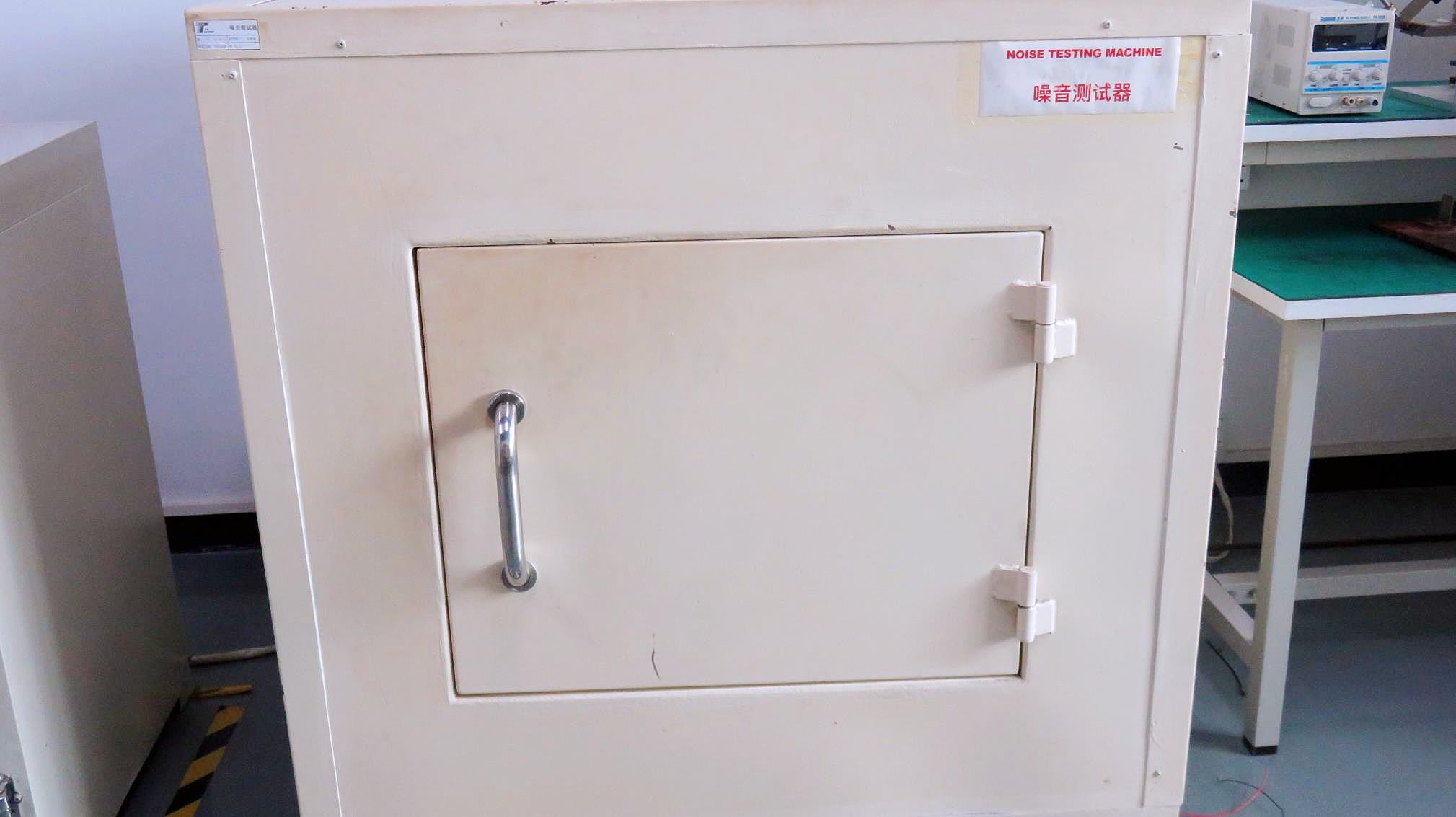
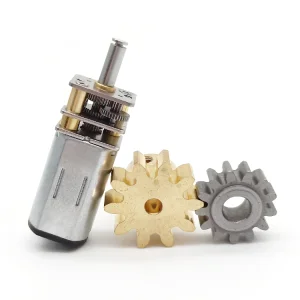
3. Advanced Tribology and Noise Control: In medical environments and high-end residential applications (such as smart door locks), acoustic emission is a primary design constraint. Manufacturers are adopting advanced gear hobbing methods, composite polymer gears, and synthetic lubricants to lower acoustic output below 40dB, while optimizing gear mesh mechanics to suppress high-frequency operational resonance.