The demand for Plastic Gear Motors continues to rise globally, reflecting a shift towards lightweight and durable solutions. According to a recent market report by MCOR, the Plastic Gear Motor industry is expected to grow at a CAGR of 5% through 2026. This growth is fueled by advancements in material technology and increased applications in automation and robotics. Industry expert Dr. Emily Zhang notes, “The future of mechanical systems lies in the efficiency and versatility of Plastic Gear Motors.”
As manufacturers seek to enhance performance and reduce costs, selecting the right motor becomes critical. Factors like load capacity, torque, and environmental conditions play a significant role in this selection process. While many buyers focus on price, overlooking the importance of quality can lead to failures and inefficiencies. Understanding these dynamics can help buyers make informed decisions in a competitive market.
However, there are pitfalls in the industry. Issues such as limited material options and potential overheating can arise with subpar products. The need for thorough research and reliable vendors cannot be overstated. In this guide, we aim to navigate the complexities of Plastic Gear Motor selection for global buyers. Your choice could define the success of your project in the evolving landscape of technology.
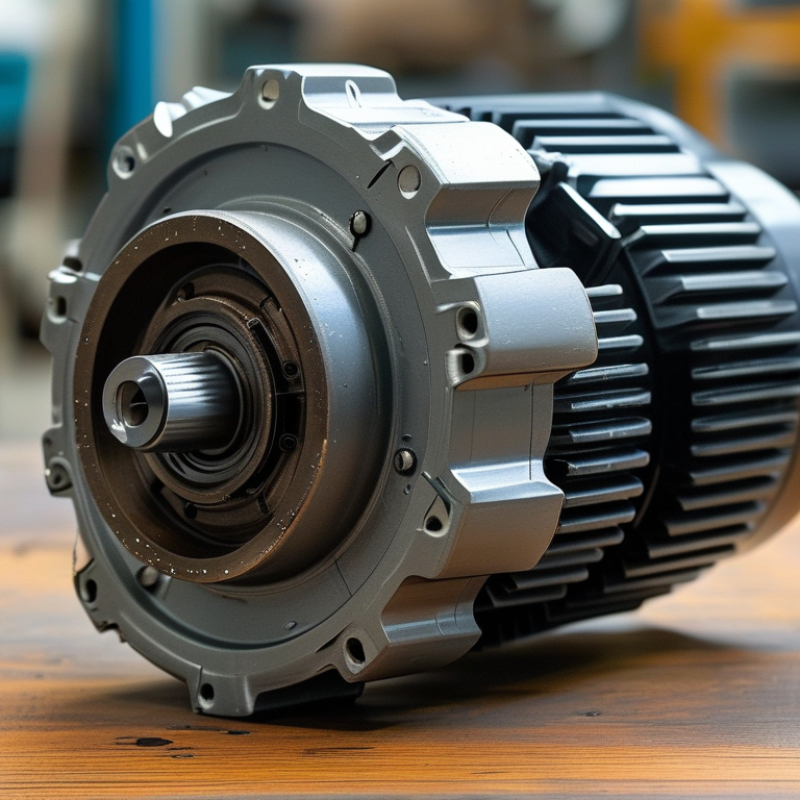
Overview of Plastic Gear Motors and Their Applications
Plastic gear motors play a vital role in various applications. These motors combine a plastic housing with gears made from durable materials. This combination allows for lightweight and corrosion-resistant solutions. They are ideal for robotics, automation, and consumer products. Their versatility makes them popular in industries ranging from automotive to domestic appliances.
When selecting a plastic gear motor, consider the torque and speed specifications. Make sure they meet your application’s requirements. Not all motors perform well under extreme conditions. Testing them in real-world scenarios is crucial.
Tip: Always check if spare parts are available for maintenance. This can save time and money in the long run.
Plastic gear motors have unique advantages, but they also come with limitations. For instance, they may not handle heavy loads like metal counterparts. Be aware of the material strength when making decisions.
Tip: Look for user reviews online to gauge the reliability of different motors. Real feedback can provide insights beyond technical specifications.
Plastic Gear Motors Performance Comparison
This chart outlines the performance metrics of plastic gear motors, highlighting key attributes such as torque, speed, efficiency, weight, and cost. These factors are essential for global buyers considering plastic gear motors for various applications.
Key Features to Consider When Choosing Plastic Gear Motors
When choosing a plastic gear motor, consider the material quality.
High-grade plastics can withstand various operating conditions, including temperature fluctuations.
Evaluate the load capacity too.
Different applications demand various torque levels.
Assessing the torque helps ensure durability and performance.
Another key aspect is size and weight.
Compact motors can fit into tighter spaces, making them ideal for small devices.
Heavier motors may provide more stability but can limit design options.
Examine your specific application requirements to find the right balance.
Finally, consider noise levels.
Some plastic gear motors may produce more sound than others.
If quiet operation is crucial, this must influence your decision.
Keep an eye on maintenance needs.
Simpler designs may require less frequent service, enhancing reliability.
Reflect on these factors to make an informed choice.
Top Brands and Manufacturers of Plastic Gear Motors in 2026
In 2026, the market for plastic gear motors is evolving rapidly. Manufacturers are prioritizing lightweight materials and energy efficiency. According to recent industry reports, the demand for these motors is projected to rise by 10% annually. This surge is driven by innovations in automation and robotics.
Top brands are emphasizing durability and performance. Many rely on advanced polymers to enhance longevity and reduce wear. The shift towards sustainable practices is also notable. A significant percentage of manufacturers are sourcing eco-friendly materials. These developments indicate a strong trend towards sustainability within the industry.
Challenges remain, though. Some producers face difficulties in balancing cost and quality. As demand grows, maintaining reliable supply chains is vital. Furthermore, the need for rigorous testing in production affects delivery times. This evolving landscape requires brands to adapt quickly to meet global standards.
Performance Metrics and Testing Standards for Plastic Gear Motors
When exploring plastic gear motors, performance metrics are crucial for evaluating their effectiveness. Key metrics include torque, speed, and efficiency. These elements directly influence the motor's application and longevity. It's crucial to assess these metrics based on real-world scenarios, not just theoretical benchmarks.
Testing standards play a significant role in ensuring reliability. Various international standards exist for measuring performance. This includes load testing and environmental stress testing. Understanding these standards can help buyers make informed choices. However, occasional lapses in adhering to these standards can lead to subpar performance.
While plastic gear motors offer advantages like weight reduction, they may also exhibit certain limitations. For instance, their resistance to heat and chemical exposure can vary. Buyers should consider these factors critically. Not all testing regimes guarantee top-notch performance in all environments. Awareness of these nuances can significantly improve purchasing decisions in the long run.
Comparative Analysis of Plastic Gear Motors in Different Industries
In various industries, the demand for plastic gear motors continues to rise. These motors are lightweight, durable, and resistant to corrosion. They find applications in robotics, medical devices, and household appliances. According to a recent industry report, the global plastic gear motor market is projected to grow at a CAGR of 5.2% from 2023 to 2030. This growth is driven by increased automation and the need for energy-efficient solutions in manufacturing.
Different industries require specific features from plastic gear motors. In robotics, precision and torque are critical. In contrast, the medical sector prioritizes sterilization and reliability. However, some manufacturers may overlook these nuanced demands, leading to suboptimal performance. This calls for better alignment between engineering and end-user requirements.
Tips: Always evaluate the expected lifespan. Understand operational conditions to select the right motor. Not all motors are created equal. Some may struggle under heavy loads or extreme temperatures. Testing can reveal weaknesses before they lead to failures. Regular maintenance checks are vital to prolong motor life and performance.
FAQS
: Focus on material quality, load capacity, size, and noise levels for the best fit.
Torque determines durability and performance based on application demands.
Compact motors fit tight spaces, while heavier ones offer stability but may restrict design options.
Assess torque, speed, and efficiency to evaluate effectiveness in real-world scenarios.
They ensure reliability through load and stress testing, but lapses can affect performance.
Their resistance to heat and chemicals varies, which can impact their usability.
It prolongs motor life and enhances performance, preventing unexpected failures.
It helps select the right motor, as some may not handle extreme loads or temperatures well.
Robotics need precision, while medical devices require reliability and sterilization.
Reflect on performance metrics, testing standards, and specific application requirements critically.
Conclusion
The article "2026 Best Plastic Gear Motor for Global Buyers Guide" provides a comprehensive overview of plastic gear motors, emphasizing their versatile applications across various industries. It highlights the essential features to consider when selecting a plastic gear motor, such as torque, efficiency, and durability. The piece outlines key performance metrics and testing standards that ensure reliability and effectiveness, enabling buyers to make informed decisions.
Furthermore, the article conducts a comparative analysis of plastic gear motors used in different sectors, showcasing how these components meet diverse operational requirements. By understanding these aspects, global buyers can better navigate the market and choose the most suitable plastic gear motors for their specific applications in 2026. Overall, the guide serves as a valuable resource for anyone looking to invest in plastic gear motors, ensuring they find the best options available.
 Dynetic Motor
