Dynetic Motor
In today’s competitive landscape, selecting the right components can significantly influence project outcomes. Geared Motor Solutions have emerged as preferred choices in various industries due to their efficiency and precision. According to recent market analysis, the global geared motor market is expected to reach $15 billion by 2027, growing at a compound annual growth rate (CAGR) of 7%. This growth reflects the increasing demand for efficient motor solutions across sectors like manufacturing, automotive, and renewable energy.
These solutions offer distinct advantages, including torque amplification and speed reduction. However, not all geared motor solutions are created equal. Some products may suffer from quality inconsistencies or limited adaptability, leading to potential project delays. Ensuring reliable performance while reducing downtime is crucial for operational success. Selecting a reputable supplier who understands the nuances of geared motor technology can mitigate these risks and enhance project outcomes.
Incorporating Geared Motor Solutions in design and manufacturing processes can lead to safer, more efficient operations. As industries evolve, professionals must remain informed about advancements and innovations that could affect their projects. Balancing efficiency with reliability will ultimately define the durability and success of these critical systems.
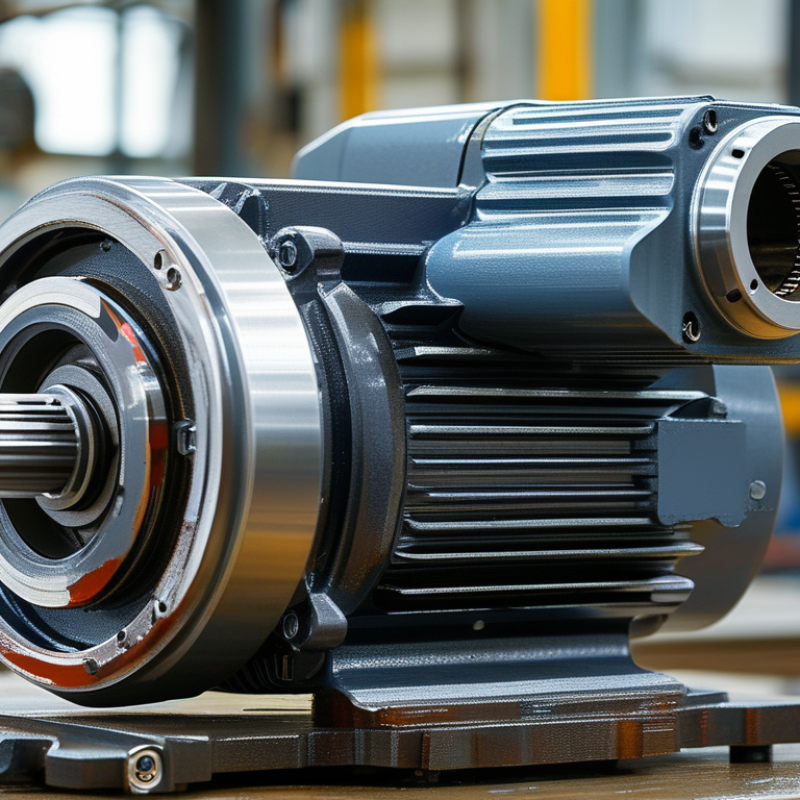
Geared motors are widely used in various applications. Understanding their definition and functionality is essential for project planning. A geared motor combines a motor with a gear system, reducing speed while increasing torque. This design makes them ideal for heavy-duty applications. For example, they are suited for conveyor systems and industrial machines.
The functionality of a geared motor is straightforward. When the motor turns, the gears inside adjust the speed and force to fit specific needs. This means that a small motor can drive heavy machinery efficiently. However, not all projects require geared motors. Sometimes, a direct motor might suffice, depending on torque requirements and speed regulations. Assessing project needs is critical for optimal performance.
Geared motors are reliable but have limitations. They can add bulk and weight to a design. Installing them requires careful planning, as misalignment can lead to failures. Additionally, the noise level is a factor to consider. It’s important to evaluate all aspects before making a choice. Understanding these elements can help in making informed decisions for any project.
Geared motors are becoming increasingly popular in many industries. Their ability to provide high torque at low speeds gives them a significant advantage. This feature is essential for applications where precision and control are paramount. For example, in conveyor systems, geared motors ensure smooth and efficient operation.
These motors are versatile. They can be adapted for different requirements across various applications. In robotics, they help in accurate positioning and movement. In automotive systems, they play a vital role in steering mechanisms, enhancing both safety and responsiveness. Choosing geared motors can lead to improved performance and reliability. However, selecting the wrong type could result in inefficiencies.
It's important to consider the load requirements and motor specifications carefully. Sometimes, users may overlook compatibility issues with existing systems. This oversight can lead to operational shortcomings. Maintenance is also a critical factor. Regular inspection helps to identify potential problems before they escalate. While geared motors offer many benefits, one must approach their integration with thoughtful planning and evaluation.
When comparing geared motors to standard motors, it’s essential to recognize their unique benefits. Geared motors excel in applications requiring high torque at low speeds. Their ability to reduce speed while increasing torque makes them ideal for heavy machinery. For instance, they are commonly used in conveyor systems and lift applications. Here, standard motors may struggle, as they typically operate at higher speeds without torque augmentation.
Efficiency is another area where geared motors often shine. They can deliver better energy conversion ratios compared to standard motors. This means less energy wasted in the form of heat. However, it's crucial to consider that the complexity of geared motors can sometimes lead to maintenance challenges. Regular inspections become important to ensure long-term reliability. On the other hand, standard motors may offer simplicity in design but often at the cost of performance in specific tasks. A thoughtful evaluation of application requirements can help in making the right choice.
| Feature | Geared Motors | Standard Motors |
|---|---|---|
| Torque Output | High Torque at Low Speeds | Lower Torque, Higher Speeds |
| Efficiency | More Efficient in Load Handling | Less Efficient under Heavy Loads |
| Size and Weight | Compact Size with Greater Power Density | Bulkier for Similar Torque |
| Applications | Ideal for Industrial Applications, Robotics | Common in Household Appliances and Fans |
| Lifecycle and Maintenance | Longer Lifespan with Reduced Maintenance | Shorter Lifespan, More Frequent Maintenance |
When choosing geared motor solutions, several factors influence your decision. The first consideration is torque requirements. Identify the load your motor will handle. High-torque applications necessitate robust and reliable motors. In contrast, lighter loads may perform well with smaller, more efficient options.
Efficiency is another critical factor. A well-designed geared motor can enhance energy use. Look for motors that offer a good balance between speed and torque. Check efficiency ratings to ensure optimal performance in your project.
A common oversight is not factoring in the environment. Motors operate differently in extreme temperatures or humid conditions. Choose gear motors designed for such environments. Durability impacts maintenance and longevity significantly.
Consider also finding the right supplier. A skilled partner can provide valuable insights. They can guide you through complex choices based on experience. Engage with experts to avoid common pitfalls. Reflect on previous projects. Learn from what worked and what didn’t. This awareness will lead to better decisions in the future.
Geared motors are versatile machines used in various industries. Their efficiency shines in applications requiring precise torque and speed control. For example, in packaging, a geared motor optimizes the speed of conveyor belts, ensuring timely processing of goods. According to a recent industry report, geared motors improve efficiency by up to 30% in these settings.
In robotics, geared motors play a crucial role in maneuverability. They provide the necessary strength for robotic arms in assembly lines. A case study showed that integrating geared motors led to a 20% reduction in assembly time. However, not every project sees these benefits. Some applications may encounter challenges like vibrations or excessive heat generation.
Heavy machinery also benefits from geared motor solutions. In construction, these motors enhance the functionality of cranes and excavators, allowing them to operate under heavy loads. Research indicates that systems using geared motors often experience increased durability. Yet, it's vital to consider the specific requirements of each project. Not all geared motors are suitable for every application. Careful selection is key.
: A geared motor combines a motor with a gear system. It reduces speed while increasing torque efficiently.
Use a geared motor for heavy-duty applications like conveyor systems, where torque requirements are higher than normal.
Identify the load the motor will handle. High-torque requires robust motors; lighter loads may need smaller motors.
Consider torque requirements, efficiency, environment, and durability. All impact performance and maintenance needs.
Yes, extreme temperatures and humidity can change how motors operate. Choose motors designed for specific environments.
Yes, noise levels can be a factor. Evaluate any potential noise issues during installation and operation.
Projects may face challenges like vibrations or excessive heat generation. Not all geared motors suit every application.
Efficiency plays a critical role. A well-designed motor enhances energy use, ensuring optimal performance in your project.
Reflecting helps identify what worked and what didn’t. This awareness can lead to better decisions on future projects.
Geared Motor Solutions offer a versatile and efficient choice for various engineering projects, providing a clear understanding of their definition and functionality. These motors integrate gears to enhance torque and speed control, making them ideal for complex applications. The key advantages include improved efficiency, compact design, and exceptional performance in challenging environments compared to standard motors.
When selecting geared motor solutions, considerations such as load requirements, speed, and application-specific needs are critical. Real-world applications demonstrate the effectiveness of geared motors, showcasing success stories across industries, from automation to robotics. By leveraging geared motor solutions, projects can achieve superior performance while optimizing resource usage and ensuring longevity.
