Dynetic Motor Dynetic Motor

How to Choose the Right Motor With Encoder for Your Project?

Time:2026-06-29 Author:Isabella
0%

Choosing the right motor with encoder for your project can be challenging. It involves understanding various specifications and requirements. A motor with encoder provides precision in positioning and speed control. This technology is essential for applications needing accuracy.

When selecting a motor with encoder, consider your project's specific needs. The power requirements, size limitations, and environmental conditions all play a role. Each application has unique demands that can make the process complex. Analyzing these factors early can prevent costly mistakes later.

Many overlook the importance of integration. The motor with encoder must work seamlessly with other components. Compatibility issues can lead to performance problems. Testing in real-world conditions is crucial but can be overlooked. Strive to balance performance and cost to ensure a successful outcome.
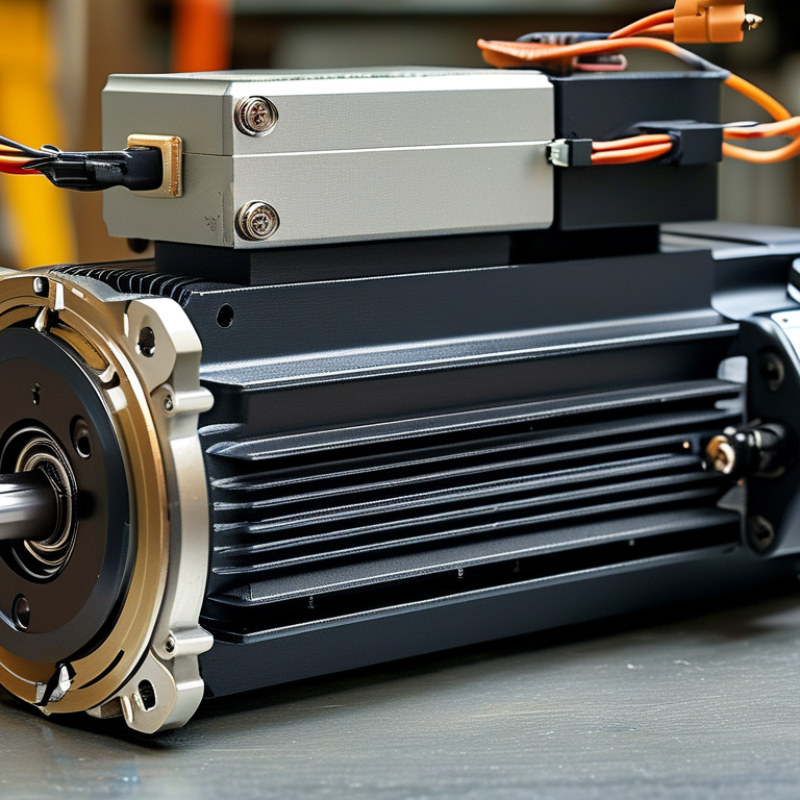
How to Choose the Right Motor With Encoder for Your Project?

Understanding the Basics of Motors and Encoders

When selecting the right motor with an encoder, start by understanding the basic functions. Motors convert electrical energy into mechanical energy. Encoders measure the motor's position and speed, providing feedback. Together, they enhance precision in various applications, from robotics to industrial automation.

Tips for choosing the right motor include assessing your project's power requirements. Calculate the torque and speed you need. Consider the weight and size constraints as well. Not all motors fit every application. Some might underperform or overheat. Reliability is key; choose motors known for consistent performance.

Additionally, think about the environment. Will the motor face harsh conditions? Dust, moisture, or extreme temperatures can affect functionality. Make sure the encoder matches the motor in resolution and response time. This alignment is crucial for accurate feedback. Small mismatches can lead to significant issues in performance. Evaluating these factors will guide you in making a well-informed decision.

Identifying Your Project Requirements and Specifications

When selecting a motor with an encoder, clear project specifications are essential. Consider parameters such as torque, speed, and accuracy. A study by the International Society of Automation highlights that accurate control can enhance efficiency by up to 25%. Understanding your project's demands will guide your choice effectively.

Different applications require varying specifications. For example, robotics may need high precision, while conveyor systems focus on speed. The Encoder Manufacturers Association reports that 70% of applications demand position feedback. This emphasizes the encoder's role in ensuring reliability in performance.

Many engineers overlook the integration of these components. They may assume compatibility without testing. Exploring communication protocols and power requirements is crucial. Misalignment in these specifications can lead to significant setbacks. Always consider multiple options and remain open to reevaluation of your initial choices.

Comparing Different Types of Motors with Encoders

When comparing different types of motors with encoders, it's crucial to understand their functionalities. Brushless DC motors are popular for their high efficiency and longevity. They offer smooth operation and precise control, making them suitable for many applications. However, they require more complex control systems, which can increase project complexity.

Stepper motors provide precise positioning without the need for feedback systems. They are easy to control and ideal for applications requiring fixed rotation angles. However, they can lose torque at higher speeds, which might not suit every project.

Servo motors are another option, equipped with encoders for closed-loop control. These motors excel in dynamic applications requiring high torque at varying speeds. Nevertheless, their price may deter some users. It’s essential to evaluate your application requirements to select the right motor type. Failing to choose correctly may lead to inefficiencies or system failures down the line.

How to Choose the Right Motor With Encoder for Your Project?

Motor Type Encoder Type Applications Control Precision Cost
DC Motor Incremental Encoder Robotics, Fan Applications Moderate Low
Stepper Motor Absolute Encoder 3D Printing, CNC Machines High Moderate
Servo Motor Incremental Encoder Industrial Automation, Robotics Very High High
BLDC Motor Hall Effect Sensor Drones, Electric Vehicles High Moderate

Evaluating Performance Factors for Motor and Encoder Selection

Choosing the right motor with an encoder for your project requires careful consideration of performance factors. The type of application impacts your selection significantly. High torque applications might require a different motor than low-speed precision tasks. Understand your specific needs upfront.

When evaluating encoders, consider resolution and feedback type. Higher resolution means more precise positioning but may complicate control systems. Think about how much precision your task truly needs. Sometimes, less is more. Reliability is essential; choose encoders known for durability in challenging environments.

It's important to match motor and encoder capabilities. A powerful motor won’t be effective paired with a low-resolution encoder. Witnessing failures often leads to unnecessary frustrations. Testing combinations before finalizing your choice can save time and resources. Balancing performance factors can lead to an effective solution, but do not overlook real-world testing.

Integrating Motor and Encoder in Your Project Design

Integrating a motor with an encoder in your project design requires careful consideration. Motors provide the necessary movement, while encoders offer precise position feedback. This combination is crucial for applications like robotics and CNC machinery. A report by the International Society of Automation indicated that systems with integrated encoders can improve positioning accuracy by up to 30%.

Choosing the right motor type, whether stepper, servo, or DC, impacts performance. Each motor type has unique characteristics. For instance, stepper motors excel in applications requiring precise control. However, they may struggle with high speeds or heavy loads. In contrast, servos offer high torque and speed but are more complex to control. It’s essential to match the motor characteristics to the project's requirements.

The encoder’s resolution affects the overall system’s feedback accuracy. A low-resolution encoder may lead to errors in position reporting. Depending on your application, you may need an encoder with a higher counts-per-revolution specification. In many cases, teams underestimate the precision required for a task, leading to rework and project delays. Ensuring the integration of a suitable motor and encoder combination is vital for efficient and effective project execution.

FAQS

: What is the role of a motor and encoder?

: A motor converts electrical energy into mechanical energy. An encoder measures position and speed, providing vital feedback.

How do I select the right motor?

Assess power requirements, torque, and speed needs. Consider weight and size constraints too; not all motors suit every application.

What environmental factors should I consider?

Harsh conditions like dust, moisture, or extreme temperatures can affect functionality. Ensure the motor is suited for its environment.

What are the types of motors available?

Brushless DC motors are efficient and long-lasting. Stepper motors allow precise positioning, while servo motors excel in dynamic applications.

What happens if I mismatch a motor and encoder?

Small mismatches can cause significant performance issues. Reliability can suffer, leading to inefficiencies or system failures down the line.

How important is testing motor and encoder combinations?

Real-world testing is crucial. It saves time and resources and helps avoid unnecessary frustrations from failed setups.

Can I use a low-resolution encoder with a powerful motor?

No, a powerful motor needs a capable encoder for effective performance. Ignoring this can lead to subpar results.

Do stepper motors have any drawbacks?

Yes, they can lose torque at higher speeds. This limitation may not suit every project needing consistent performance.

What is crucial when evaluating encoder resolution?

Higher resolution offers precise positioning but can complicate control systems. Determine how much precision your application truly needs.

Are there simple control systems for brushless motors?

No, they require more complex control systems. This added complexity can increase project challenges for users.

Conclusion

Selecting the right Motor with Encoder for your project requires a comprehensive understanding of both components. Begin by grasping the fundamental principles of motors and encoders to appreciate their functionality. Identify your specific project requirements, including torque, speed, and precision, which will guide your selection process.

Next, compare various types of motors equipped with encoders, such as stepper, servo, and brushless motors, to determine which best meets your needs. It’s crucial to evaluate performance factors, including resolution, response time, and load conditions, to ensure optimal operation. Finally, successfully integrating the Motor with Encoder into your project design involves careful planning and attention to detail, ensuring that the selected components work harmoniously to achieve your project goals.

Isabella

Isabella

Isabella is a dedicated marketing professional with a sharp focus on driving brand growth and engagement through strategic content creation. With an extensive background in digital marketing, she combines her passion for storytelling with her keen understanding of industry trends to deliver......