Choosing the best Mini Gear Motor for your project can be challenging. According to industry expert Dr. John Smith, "Selecting the right motor is crucial for achieving optimal performance." Mini Gear Motors are essential for many applications, from robotics to automation. Their compact size doesn’t compromise their power.
Understanding your project’s requirements is key. Think about the torque, speed, and efficiency you need. A well-chosen Mini Gear Motor can enhance your project’s functionality. Yet, many overlook the importance of compatibility with their system. It’s vital to consider the motor's specifications carefully.
Furthermore, the variety of available options can be overwhelming. Some motors may seem appealing but might not suit your needs. Reflection on practical applications is essential. Asking questions like, "What are my real needs?" can guide your choice. By evaluating your options closely, you can find a Mini Gear Motor that truly fits your project.
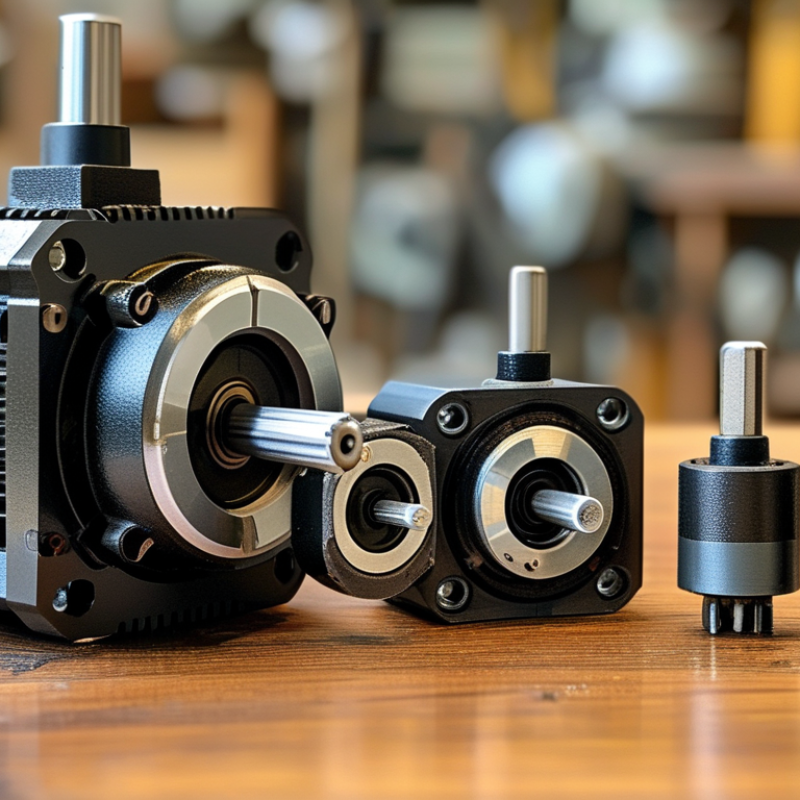
Understanding the Basics of Mini Gear Motors
Mini gear motors play a crucial role in various applications, from robotics to small appliances. Understanding their components can greatly affect the performance of your project. At the core is the motor, often a DC type, which provides the motion. Gear systems amplify torque and reduce speed. The efficiency of these components can vary. Reports indicate that gear efficiency can range from 70% to over 90%. It's essential to choose wisely based on your needs.
Payload capacity is another key aspect. Many mini gear motors support a weight range of 0.5 to 10 kg. Choosing the right motor ensures your device functions well under standard conditions. However, if the weight exceeds specifications, it can lead to overheating or failure. Additionally, the gear ratio directly influences speed and torque output. Inappropriately chosen ratios may result in inadequate torque for your application.
Noise and vibration levels are also worthy of consideration. Mini gear motors can produce varying noise levels, and high vibrations are often problematic. The industry standard suggests keeping vibration under 0.5 g to maintain efficiency. Also, proper maintenance can help prolong motor life. However, many users underestimate this aspect, leading to premature wear. Understanding these basics is vital for a successful project.
Identifying Project Requirements and Specifications
Choosing the right mini gear motor starts with clear project requirements. Identifying your torque, speed, and power needs is crucial. For instance, a report by the International Electromechanical Engineers indicates that a motor with 20% more torque than needed can prevent underperformance in dynamic tasks. Knowing your load specifications can significantly affect your motor choice.
Tip: Always factor in environmental conditions like temperature and humidity. These can impact motor efficiency. If your project requires constant operation, consider how heat dissipation affects long-term performance. A well-chosen motor may need ventilation features to ensure reliability.
When defining specifications, consider size and weight constraints. Motors come in various dimensions and weights. The American Electric Motor Association notes that reducing weight by even 10% can improve efficiency. However, smaller motors risk overheating if not adequately specified. Balancing size with performance requires a thoughtful approach, leading to constructive challenges in your design.
Comparing Gear Ratios and Motor Types
When selecting a mini gear motor, understanding gear ratios is crucial. Gear ratios determine the torque and speed output. A higher ratio means greater torque but reduces speed. Conversely, a lower ratio provides more speed but less torque. Assess your project's needs before deciding. For instance, robotic applications often require high torque at low speeds to manage heavy loads.
Motor types also play a significant role in your choice. There are DC motors, stepper motors, and servo motors. DC motors are versatile and easy to control. They are ideal for projects needing continuous rotation. Stepper motors offer precise positioning, making them suitable for CNC machines. Servo motors provide accurate control over angular position, perfect for robotics. Each type has its strengths and weaknesses. Consider what your project requires before making a choice.
There are challenges in balancing gear ratios and motor types. Sometimes, the ideal motor for torque may not suit speed requirements. It requires careful evaluation and possibly compromises. Testing different configurations can help refine your decision. Documenting the outcomes will provide clarity for future projects. With this hands-on approach, selecting the right mini gear motor becomes a thoughtful process.
Evaluating Size, Weight, and Power Considerations
When evaluating a mini gear motor, size and weight are crucial aspects. Many projects require a compact solution. A smaller motor may save space but can limit power. Consider what your design demands in terms of dimensions. A larger motor might provide more torque, but weigh your options carefully. Too much weight could affect mobility or balance in your project.
Power considerations are equally vital. Evaluate the voltage and current requirements. Selecting a motor with insufficient power can lead to underperformance. On the other hand, excessive power can cause overheating and failure. Think about the load the motor will bear. If you overlook this aspect, the motor may not last as long as expected. Aim for a balance between weight and power to ensure reliability in your project.
How to Choose the Best Mini Gear Motor for Your Project?
| Motor Type |
Voltage (V) |
Torque (Nm) |
Weight (g) |
Speed (RPM) |
| DC Gear Motor |
6 |
0.2 |
150 |
150 |
| Stepper Motor |
12 |
0.5 |
200 |
300 |
| Planetary Gear Motor |
24 |
0.8 |
300 |
200 |
| Brushless DC Motor |
36 |
1.0 |
400 |
400 |
| Coreless Motor |
3.7 |
0.1 |
50 |
450 |
Factors Influencing Cost and Availability
When selecting a mini gear motor, understanding the factors influencing cost and availability is crucial. Reports indicate that material prices can fluctuate significantly. For instance, the cost of rare earth metals, essential for effective motor performance, has risen by over 30% in recent years. This trend affects overall pricing. Additionally, supply chain disruptions due to global events have impacted availability. Manufacturers often struggle to source components in a timely fashion.
Consider these tips while shopping for mini gear motors. Analyze your project's specific needs. Consider torque requirements and speed preferences. These factors will guide your decision. Remember that, while lower costs may seem appealing, they might compromise motor efficiency. Investing in reliable options can save money in the long run.
Moreover, geographical location plays a role in availability. Local suppliers may have stock shortages or delays. Always check multiple sources to understand current market dynamics. Some motors may take longer to acquire due to international shipping issues. Be prepared for potential wait times. Keep in mind that a thorough understanding of these influences leads to better purchasing choices.
FAQS
: Size and weight are crucial. A compact motor saves space but may limit power.
A larger motor may provide more torque but can add extra weight, affecting mobility.
Insufficient power leads to underperformance. Excessive power can cause overheating.
Neglecting the load can reduce the motor's lifespan and reliability.
Prices for essential materials, like rare earth metals, can significantly affect overall motor pricing.
Lower costs may compromise motor efficiency and performance over time.
Supply chain disruptions can lead to shortages and delays in sourcing components.
Consider torque requirements, speed preferences, and project-specific needs.
Local suppliers may experience stock shortages or delays.
Understand market dynamics and check multiple sources for better availability insights.
Conclusion
When selecting the best Mini Gear Motor for your project, it's essential to understand the basic principles of how these motors operate. Mini gear motors come in various types and gear ratios, which significantly influence their performance and suitability for different applications. By assessing your project’s specific requirements, including desired speed, torque, and load capacity, you can narrow down the options effectively.
Additionally, factors such as size, weight, and power considerations play a critical role in ensuring that the mini gear motor fits well within your design. Cost and availability are also significant factors to consider, as they can impact project budgets and timelines. Ultimately, careful evaluation of these elements will help you choose the most appropriate mini gear motor that meets your project needs efficiently.
 Dynetic Motor
