Dynetic Motor Dynetic Motor

How to Choose the Right Brushless Gear Motor for Your Needs?

Time:2026-07-06 Author:Mason
0%

When selecting a Brushless Gear Motor, the options can be overwhelming. Experts emphasize the importance of understanding your specific needs. Dr. Emily Carter, a leading authority in motion control systems, states, "A precise application will often dictate the best motor solution." This perspective highlights the need for careful consideration.

Brushless Gear Motors are known for their efficiency and reliability. They offer advantages like high torque density and low heat generation. Understanding these attributes is crucial in your selection process. Not every motor suits every application. The wrong choice can lead to performance issues and increased costs.

Choosing the right Brushless Gear Motor involves looking at various factors. These include voltage, speed, and torque requirements. Also, consider the operating environment and lifespan. Reflecting on these details can help you avoid common pitfalls. Making informed choices now will save you headaches later.
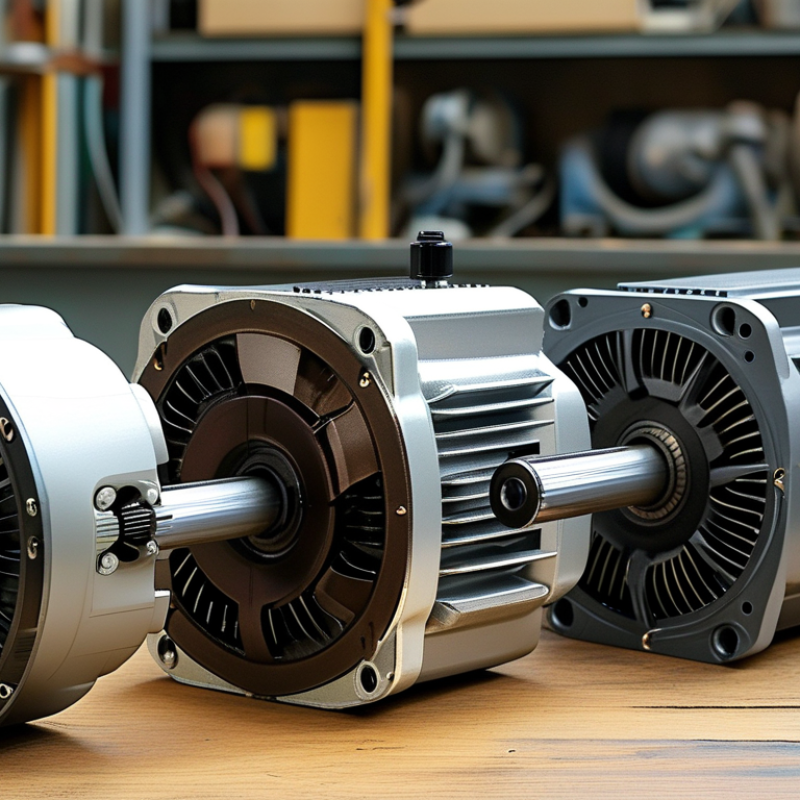
How to Choose the Right Brushless Gear Motor for Your Needs?

Understanding the Basics of Brushless Gear Motors: Key Components Explained

Brushless gear motors have gained popularity due to their efficiency and reliability. Understanding their key components is essential for selecting the right unit. At the heart of these motors is the stator, which generates the magnetic field. This field interacts with the rotor, allowing for smooth rotation. The absence of brushes in this design reduces wear and increases operational lifespan.

Data from industry reports suggests that brushless motors can achieve efficiencies of up to 90%. This high-performance metric is crucial for applications requiring extended operational periods. Additionally, microcontrollers are often integrated, providing precise control over motor speed and torque. These advancements have led to a notable rise in their adoption across robotics and automation sectors.

However, not every brushless gear motor is suitable for every application. Factors like load requirements and environmental conditions can significantly affect performance. Selecting a motor with insufficient power can lead to overheating, while over-specifying can result in unnecessary energy costs. It is vital to assess both application needs and operational environments carefully before making a decision.

Evaluating Motor Specifications: Voltage, Current, and RPM Requirements

Choosing the right brushless gear motor involves careful evaluation of several key specifications. Voltage is often the first consideration. It directly impacts the motor's power output and efficiency. A report by the International Electrotechnical Commission (IEC) indicates that proper voltage selection can boost performance by up to 15%. It is vital to ensure the motor matches your system's voltage requirements to prevent overheating or underperformance.

Current requirements are another crucial aspect. The maximum current rating should align with your application’s demand. Excessive current can lead to motor failure, especially under load. Failure rates can spike by over 30% if the current specifications are not closely monitored. Additionally, understanding the RPM (revolutions per minute) is essential for achieving desired speed and torque characteristics. An analysis by the Motor & Drive Systems Association reveals that motors operating at optimal RPM ranges achieve up to 25% better efficiency.

However, precision in selecting these specifications is not guaranteed. Misjudgments in voltage, current, or RPM can cause significant issues, such as performance lag or excessive wear. It is crucial to conduct thorough testing and make adjustments when needed. Many companies report ongoing challenges in achieving the ideal balance among these parameters. These insights underline the importance of diligent selection processes tailored to specific applications.

Assessing Torque and Power Needs: Load Calculations for Optimal Performance

When choosing a brushless gear motor, understanding your torque and power needs is crucial. Torque is the measure of rotational force the motor can provide. For optimal performance, load calculations help determine the required torque. According to industry reports, the needed torque can vary based on application. For instance, lightweight robotics may need about 0.5 Nm, while heavy machinery often requires 5 Nm or more.

Power requirements are equally important. Measuring the power typically involves considering the motor's voltage and current. The formula P = V x I offers a straightforward calculation for power in watts. A recent engineering report highlighted that a typical brushless gear motor operates efficiently at around 85% when handling its rated load. It's vital to understand that oversizing the motor can lead to inefficiencies and overheating, while undersizing might cause stalling or failure.

Careful consideration must be given to load type and dynamics. Constant-load scenarios contrast sharply with variable loads typical in automation. Failing to account for both scenarios in calculations can lead to unexpected failures. Consult detailed load data from engineering manuals for accurate predictions. Remember, each application can differ significantly, and detailed analysis is essential.

Choosing the Right Gear Ratio: Balancing Speed and Torque for Your Application

Choosing the right gear ratio in a brushless gear motor is crucial for optimizing speed and torque. A gear ratio represents the relationship between the motor speed and the output speed. For instance, a 5:1 gear ratio means the motor spins five times for every single output rotation. This can provide increased torque but reduces speed. Industries often require specific ratios based on application demands.

According to the IEEE, an appropriate gear ratio ensures optimal performance in applications ranging from robotics to conveyor systems. For example, in robotics, a 10:1 ratio may yield the necessary torque for lifting but at lower speeds. In contrast, a high-speed application might use a ratio of 2:1 to maintain swift movement. Engineers suggest balancing these factors with the intended load to achieve efficient performance.

Choosing the incorrect ratio can lead to inefficiencies. A high torque setting with incorrect speed could overheat the motor or cause mechanical failures. Reports show that 27% of mechanical issues stem from improper gear configurations. It's important to analyze both load requirements and operational speed to select the right gear ratio. This reflective process can significantly enhance the reliability and efficiency of your motor system.

Considering Environmental Factors: Operating Conditions and Motor Durability

When selecting a brushless gear motor, environmental factors play a crucial role. Consider where the motor will operate. Is it exposed to moisture, dust, or extreme temperatures? Each of these conditions can significantly impact motor performance and lifecycle. For instance, a motor running in high humidity may require additional sealing to prevent corrosion. A motor for outdoor use might need to withstand UV exposure.


Durability is another essential consideration. Analyze the motor's materials and construction. Aluminum housings may be lightweight but might not endure heavy impacts. On the other hand, steel casings are robust but can add bulk. Think about weight vs. resilience when choosing. A less durable motor may fail earlier, leading to increased downtime and maintenance costs.


Testing the motor in real conditions can reveal its true capabilities. Performance under stress often differs from lab parameters. Keep an eye on temperature fluctuations and vibrations. A motor can fail silently, leading to operational disruptions. Regular assessments help in identifying potential issues before they escalate, ensuring a smoother operation over time.

FAQS

: What are the main components of brushless gear motors?

: The main components are the stator and rotor. The stator generates the magnetic field, enabling smooth rotation.

Why are brushless gear motors popular?

They are efficient and reliable, with some motors reaching up to 90% efficiency in operational performance.

How does the absence of brushes benefit the motor?

Without brushes, there's less wear and tear, which increases the motor's lifespan and reduces maintenance.

What factors should be considered when selecting a brushless motor?

It's important to consider load requirements and environmental conditions before making a choice.

What happens if the motor is underpowered?

An underpowered motor can overheat and lead to premature failure or inefficiency in performance.

How do gear ratios affect motor performance?

Gear ratios balance speed and torque, affecting how fast the output moves compared to the motor's speed.

What ratio is ideal for lifting heavy weights?

A 10:1 gear ratio can provide necessary torque for lifting, though at slower speeds.

Can choosing the wrong gear ratio cause issues?

Yes, incorrect gear ratios can lead to overheating or mechanical failures, accounting for 27% of problems in systems.

What should you reflect on when choosing a gear ratio?

Analyze both load requirements and desired operational speed to select the right gear ratio effectively.

Is there a possibility of making mistakes in motor selection?

Yes, improper assessments can lead to inefficiencies. Careful consideration is essential for optimal performance.

Conclusion

When selecting the right Brushless Gear Motor for your needs, it's essential to understand the fundamental components that make up these motors. The key specifications, including voltage, current, and RPM, must be evaluated to ensure compatibility with your application. Additionally, calculating the required torque and power for the load helps in achieving optimal performance.

Choosing the appropriate gear ratio is crucial as it balances speed and torque, directly influencing the efficiency of your system. Finally, considering environmental factors, such as operating conditions and the motor's durability, ensures that the Brushless Gear Motor functions reliably over time. By carefully assessing these aspects, you can make an informed decision tailored to your specific requirements.

Mason

Mason

Mason is a seasoned marketing professional with a deep expertise in the company's offerings and a passion for driving brand awareness. With a strong background in digital marketing strategies, he has an innate ability to connect with diverse audiences and effectively communicate product benefits.......