Dynetic Motor
Choosing the right Coreless DC Motor can significantly impact your project's success. The demand for efficient and compact motors is rising. According to recent industry reports, the global market for Coreless DC Motors is expected to grow at a CAGR of 5.1% from 2023 to 2030. This trend is driven by advancements in automation and robotics.
Coreless DC Motors stand out in applications requiring precision and speed. They offer advantages like reduced weight, higher efficiency, and a more compact design. However, selecting the right motor can be challenging. Factors such as torque, speed, and voltage must be carefully considered. Not all Coreless DC Motors are created equal. Users often overlook specific requirements, leading to subpar performance.
Understanding your application can prevent costly mistakes. Seek expert guidance when evaluating options. Reliable specifications and performance data are essential in this decision-making process. An informed choice will enhance device functionality and lifespan. Engaging with industry professionals can provide valuable insights into the best practices for Coreless DC Motor selection.
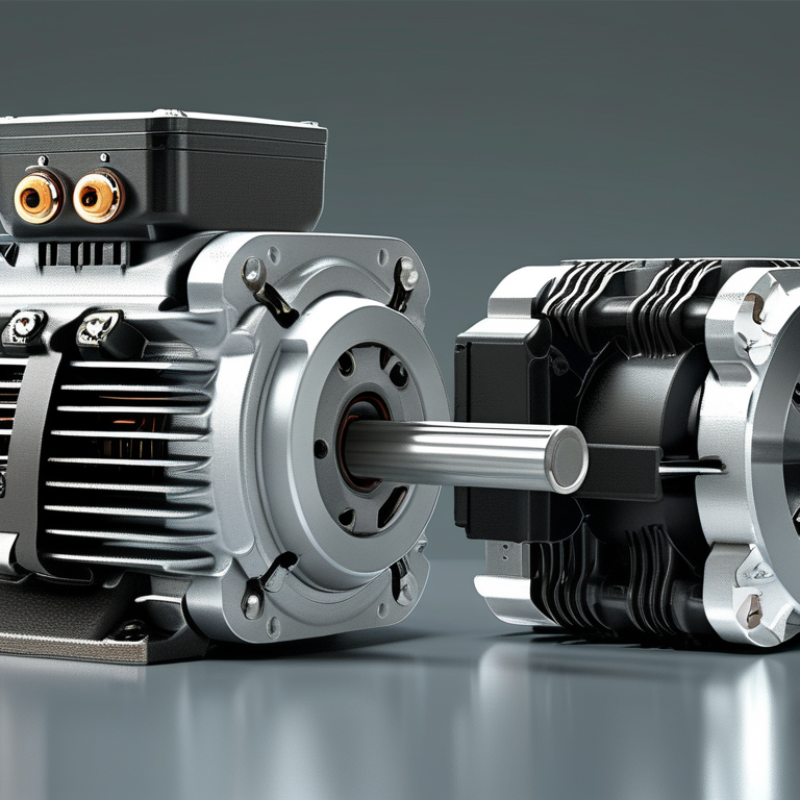
Coreless DC motors have gained popularity due to their unique design and efficiency. Unlike traditional motors, they lack a core, leading to reduced weight and size. This design allows for faster rotation and better performance at higher speeds. According to a recent industry report, coreless DC motors can achieve up to 95% efficiency, appealing for applications requiring precision.
When choosing a coreless DC motor, consider factors such as torque, speed, and application. Understanding torque curves and their implications can help identify the correct motor for specific tasks. Applications may range from robotics to consumer electronics, where lightweight and compact solutions are essential. It's vital to match the motor specs with your application's demands to ensure optimal performance.
Tip: Always assess the thermal management needs for your motor. Overheating can lead to performance degradation.
Additionally, experience shows that while coreless DC motors are efficient, they may not be suitable for all environments. The absence of a core can lead to vulnerability to mechanical stresses. Therefore, ensure that the motor is well-suited for its intended conditions to avoid issues down the line.
Tip: Consult with engineers or motor specialists when in doubt. Their expertise can guide you in making an informed decision.
When selecting a coreless DC motor, several key factors merit careful consideration. Understanding your application is crucial. Different tasks require different specifications. For example, if you need high torque or rapid response, these elements should direct your choice.
Another critical factor is size. Coreless motors are celebrated for their compactness. However, choosing a motor that fits your design constraints is essential. Not all small motors deliver the same power. Often, manufacturers provide performance curves to highlight efficiency. Assess these charts thoroughly.
Power supply requirements also impact selection. Some motors operate on varying voltage ranges, which influences compatibility. A mismatch can lead to inefficiency or damage. Additionally, consider the motor's operating environment. Factors like temperature and humidity matter. Many users overlook these details until facing operational challenges. Understanding these aspects ensures a more informed decision.
Choosing the right coreless DC motor requires understanding various specifications. Coreless motors stand out for their lightweight design and high efficiency. These motors typically have a flat or cylindrical shape, enhancing their power-to-weight ratio.
When comparing specifications, evaluate key factors like torque, speed, and voltage. For instance, a motor with higher torque can handle heavier loads but may consume more power. The ideal operating speed should match your application's requirements. Industry reports highlight that motors with a power range between 5 to 50 watts are most common in robotics and automation.
Tips: Always verify the torque and speed ratings. They must align with your project’s needs. A mismatch could lead to inefficient performance or motor failure.
Noise and vibration levels are also crucial. While coreless motors are quieter than traditional motors, variations exist. Consider testing in your intended environment to gauge real-world performance. This step often uncovers potential challenges in advanced applications.
Lastly, consult industry benchmarks to determine reliability. Some studies show that 15% of motors underperform from expected specifications. Understanding these nuances helps clarify your motor selection process, ensuring optimal performance for your specific needs.
Coreless DC motors are increasingly popular in various applications due to their lightweight design and high efficiency. They excel in environments where space is limited, such as in medical devices and robotics. According to a recent industry report, the market for coreless motors is expected to grow by 7.5% annually, reaching a valuation of over $800 million by 2025. This growth reflects the demand for precision and compactness across sectors.
In the medical field, coreless DC motors power critical devices like surgical tools and diagnostic equipment. Their ability to deliver consistent performance in tight spaces enhances surgical precision. Similarly, in robotics, these motors support the rapid and smooth movements required for advanced robotic arms. The demand for automation drives their integration into consumer electronics as well, further increasing their significance.
Despite their advantages, selecting the right coreless motor can be challenging. Considerations like torque, speed, and thermal characteristics are vital. A mismatch in specifications could lead to performance issues, impacting the reliability of the end product. Users should also reflect on how power consumption affects overall efficiency. Understanding trade-offs can lead to better decision-making in motor selection.
Coreless DC motors are preferred in many applications due to their efficiency and lightweight design. However, proper maintenance is crucial for optimal performance. According to a report by the International Journal of Advanced Robotics Systems, regular maintenance can extend the lifespan of these motors by 30%. Simple practices can make a significant difference.
Keep your coreless DC motors clean and dry. Dust and moisture can lead to decreased efficiency. An annual inspection is recommended. Look for signs of wear, such as unusual noises or vibrations. These might indicate potential failures. Lubrication is essential, but be cautious. Excess grease can attract dirt. Use a recommended lubricant sparingly.
Understanding the motor's operational environment is important for care. For instance, extreme temperatures can affect performance. Monitoring ambient conditions can prevent issues. Operators should be aware of how these motors react to various loads. If performance drops unexpectedly, it may signal an underlying problem. Regular assessments will help you catch these issues early. Consistent attention to coreless DC motor maintenance not only preserves functionality but also enhances reliability in critical applications.
: Understand your application first. Different tasks need distinct specifications, like high torque or quick response.
Coreless motors are compact, but fit your design constraints carefully. Not all small motors provide the same power.
Manufacturers often provide performance curves. Assess them thoroughly to understand efficiency and ensure proper selection.
Motors may operate on different voltage ranges. Ensure compatibility to avoid inefficiency or potential damage.
Factors like temperature and humidity matter. Many overlook these details until they encounter operational issues.
Keep motors clean and dry. Regular annual inspections for wear signs can help prevent failures.
Lubrication improves function, but avoid excess grease. Too much can attract dirt and lead to problems.
Extreme temperatures may impact functionality. Monitor environment to prevent unexpected performance drops.
Assess the motor and its loads. A drop in performance might indicate underlying issues needing attention.
Coreless DC motors are innovative components that play a crucial role in various applications due to their unique design and efficiency. To select the right coreless DC motor for your needs, it's essential to understand the basics of these motors, including their construction and benefits. Key factors to consider when making your choice include torque, speed, voltage, and size constraints, all of which can significantly impact performance.
When comparing different coreless DC motor specifications, potential users should evaluate their specific requirements and consider how factors like power-to-weight ratio and thermal management influence operational efficiency. Additionally, exploring various applications and use cases can provide insights into the versatility of coreless DC motors across industries. Proper maintenance and care are vital to ensure longevity and optimal operation, making them an indispensable choice for precise and efficient motion control solutions.
