 Dynetic Motor
Dynetic Motor
Dynetic Motor
Choosing an AC Gear Motor is rarely as simple as comparing prices or browsing attractive product photos. Global buyers need dependable torque, stable speed, efficient operation, and service that continues after delivery. A motor that performs well in a clean factory may struggle with dust, frequent starts, voltage variation, or limited maintenance access.
Dr. Austin Hughes, a respected motor specialist and author of Electric Motors and Drives, offers a practical reminder: “Selection should begin with the load, not the catalogue.” That principle guides this review of the Top 10 AC Gear Motor Manufacturers for Global Buyers. Each manufacturer is considered through practical criteria, including motor construction, gearbox design, rated torque, efficiency, customization, quality control, documentation, and international support. Details matter. A clear nameplate, accessible technical drawing, and realistic duty rating can prevent costly mistakes.
The ranking is not absolute. That deserves honesty. A large manufacturer may not suit a small buyer needing flexible engineering support. A lower-priced unit may also require more frequent replacement. We examine both strengths and limitations, rather than treating every catalogue claim as proven performance. Where possible, buyers should compare test data, warranty terms, certifications, lead times, and spare-part availability. Ask difficult questions.
This guide is designed for engineers, distributors, equipment builders, and procurement teams. It connects technical specifications with real operating conditions, from conveyor lines to automated packaging equipment. The right AC Gear Motor should fit the application, not merely win a comparison table. Mistakes happen. Careful evaluation reduces them.
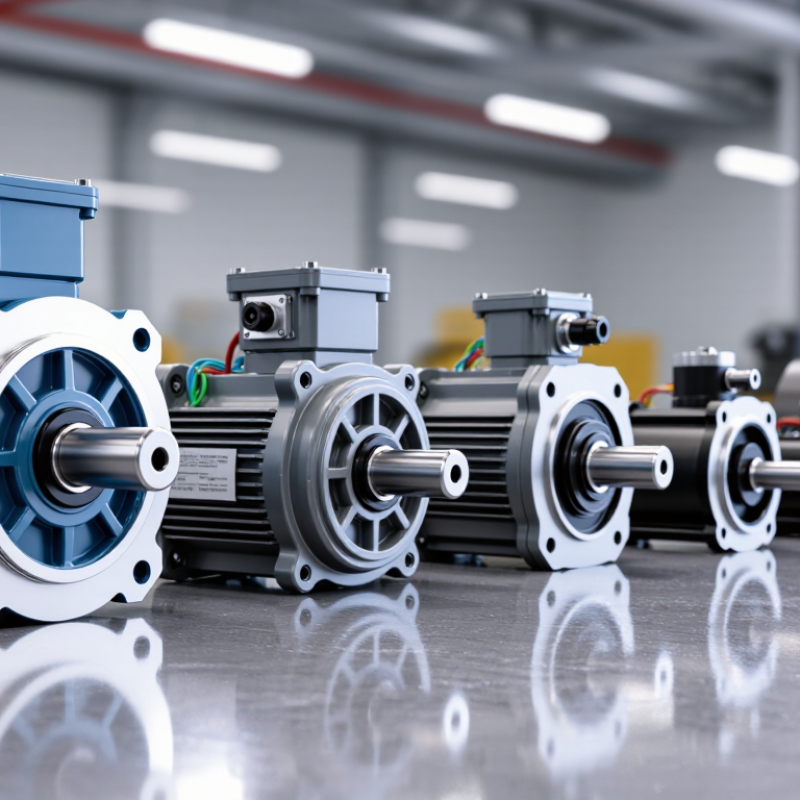
AC gear motors combine an alternating-current motor with a mechanical gearbox. They convert electrical energy into controlled rotary motion. This arrangement suits conveyors, mixers, gates, pumps, and many factory machines.
The main parts include a stator, rotor, shaft, bearings, gears, seals, and a protective housing. The stator creates a rotating magnetic field when AC voltage enters its windings. The rotor follows this field and produces mechanical rotation. Motor speed then enters the gearbox through the input shaft. Gear teeth reduce output speed and increase usable torque. Simple, but powerful.
The ideal calculation is never the whole story. Gear friction, voltage variation, heat, and load changes affect real performance. Seals age, alignment drifts, and grease can become contaminated. In practical equipment inspections, unusual noise often reveals worn bearings or poor gear contact. Heat near the housing may indicate overload, inadequate lubrication, or insufficient ventilation.
Global buyers should request rated torque, service factor, efficiency data, insulation class, noise limits, and duty-cycle information. They should also confirm shaft dimensions, mounting options, ingress protection, and local power compatibility. A reliable manufacturer can provide test records, material details, wiring diagrams, and traceable quality procedures. Ask how the unit performs during repeated starts, reverse cycles, and continuous operation. A motor may look correctly sized on paper yet struggle under real loads. Careful testing matters.
Brand-Neutral Technical Comparison of Common AC Gear Motor Configurations
| No. | AC Gear Motor Configuration | Basic Structure | Operating Principle | Typical Motor Supply | Common Gear Ratio | Typical Output Speed | Typical Output Torque | Typical Efficiency | Protection & Insulation | Typical Applications |
|---|---|---|---|---|---|---|---|---|---|---|
| 01 | Helical Gear Motor | Squirrel-cage induction motor, helical gear stages, shafts, bearings, seals, and an enclosed housing. | An AC rotating magnetic field drives the rotor. Helical gears reduce speed and increase torque through meshing angled teeth. | Three-phase, 200–480 V, 50/60 Hz | 3:1–180:1 | 8–500 rpm | 20–8,000 N·m | 90–96% | IP54–IP66; Class F insulation is common | Conveyors, packaging lines, material handling, and process equipment |
| 02 | Inline Helical Gear Motor | Motor and gearbox are arranged on the same axis with one or more helical reduction stages. | The motor produces rotary motion, while aligned helical gears transmit power with relatively low noise and high mechanical efficiency. | Single- or three-phase, 110–480 V, 50/60 Hz | 3:1–200:1 | 7–600 rpm | 15–5,000 N·m | 88–95% | IP54–IP65; Class F insulation is typical | Compact conveyors, feeders, inspection systems, and automation machinery |
| 03 | Parallel-Shaft Gear Motor | Induction motor, parallel-shaft helical gears, output shaft, bearings, and a compact horizontal housing. | Power is transferred through parallel gear shafts, allowing high torque density and a low radial installation profile. | Three-phase, 200–480 V, 50/60 Hz | 5:1–300:1 | 4–350 rpm | 50–12,000 N·m | 90–96% | IP55–IP66; Class F insulation is common | Belt conveyors, logistics systems, mixers, and warehouse equipment |
| 04 | Right-Angle Bevel Gear Motor | AC motor, bevel gear set, right-angle output arrangement, bearings, seals, and a rigid housing. | Bevel gears redirect the power flow by approximately 90 degrees while reducing speed and multiplying torque. | Three-phase, 200–480 V, 50/60 Hz | 5:1–200:1 | 5–400 rpm | 40–10,000 N·m | 88–95% | IP55–IP66; Class F insulation is typical | Turntables, conveyors, elevators, palletizers, and machine tools |
| 05 | Worm Gear Motor | AC motor, worm shaft, bronze or hardened worm wheel, bearings, seals, and a right-angle gearbox. | The worm drives the wheel through sliding contact, providing substantial speed reduction and, in some ratios, a self-locking effect. | Single- or three-phase, 110–480 V, 50/60 Hz | 5:1–3,600:1 | 0.5–280 rpm | 10–4,000 N·m | 55–90% | IP54–IP66; Class F insulation is common | Gates, small conveyors, actuators, packaging machines, and positioning systems |
| 06 | Cycloidal Gear Motor | AC motor, eccentric bearing, cycloidal disc, pin housing, output rollers, and reinforced bearings. | An eccentric input causes the cycloidal disc to rotate against fixed pins, distributing load over multiple contact points. | Three-phase, 200–480 V, 50/60 Hz | 6:1–119:1 | 5–300 rpm | 100–50,000 N·m | 75–93% | IP55–IP66; Class F or Class H insulation | Heavy-duty conveyors, mixers, hoists, wastewater equipment, and crushers |
| 07 | Planetary Gear Motor | AC motor, sun gear, multiple planet gears, ring gear, carrier, bearings, and a compact high-strength housing. | The sun gear drives several planet gears, distributing torque across multiple paths for high load capacity and compact size. | Three-phase, 200–690 V, 50/60 Hz | 3:1–1,000:1 | 1–500 rpm | 200–100,000 N·m | 90–97% | IP55–IP67; Class F or Class H insulation | Extruders, hoists, winders, heavy conveyors, and high-load industrial machinery |
| 08 | Fractional-Horsepower Gear Motor | Small single-phase motor, compact spur or worm gearbox, output shaft, bearings, and protective enclosure. | The low-power AC motor supplies continuous rotary motion, while the gearbox produces low-speed output for compact mechanisms. | Single-phase, 100–240 V, 50/60 Hz | 5:1–500:1 | 1–300 rpm | 0.2–80 N·m | 45–85% | IP20–IP65; Class B or Class F insulation | Dispensers, small actuators, medical equipment, fans, and office machinery |
| 09 | Brake Gear Motor | AC gear motor combined with an electromagnetic spring-applied brake, gearbox, bearings, and brake release components. | The motor drives the gearbox during operation. When power is removed, the spring-applied brake stops or holds the output shaft. | Three-phase, 200–480 V, 50/60 Hz | 4:1–300:1 | 4–500 rpm | 20–15,000 N·m | 85–95% | IP54–IP66; Class F insulation; holding brake commonly rated for frequent stops | Hoists, elevators, cranes, conveyors, doors, and indexing equipment |
| 10 | Variable-Speed AC Gear Motor | Three-phase induction motor, reduction gearbox, inverter or variable-frequency drive, sensors, and protective housing. | The variable-frequency drive adjusts motor frequency and voltage to control speed, while the gearbox converts speed into usable torque. | Three-phase, 200–690 V, 0–400 Hz drive output | 3:1–250:1 | 1–600 rpm | 20–20,000 N·m | 85–96% | IP55–IP66; Class F insulation; inverter-duty options available | Production lines, pumps, mixers, conveyors, fans, and variable-load machinery |
It combines an alternating-current motor with a mechanical gearbox. The motor creates rotation. The gearbox lowers speed and increases usable torque. This suits conveyors, pumps, mixers, and gates.
Common parts include the stator, rotor, shaft, bearings, gears, seals, and housing. The stator creates a rotating magnetic field. The rotor follows that field. Gears then transmit motion through the output shaft.
Gear teeth reduce output speed and increase torque. The correct ratio depends on the actual load. A high ratio may improve force but reduce speed. Theoretical calculations are not enough.
Compare rated torque, starting torque, speed, efficiency, noise, and duty cycle. Check thermal limits and ingress protection. Review shaft dimensions and mounting positions. Catalog power alone can mislead.
Confirm voltage, frequency, insulation class, and local power compatibility. A 230/400-volt motor may not suit every installation. Request wiring diagrams and dimensional drawings. Small mismatches can delay commissioning.
Request test reports, material details, sample units, and quality records. Ask whether winding, gear cutting, assembly, and inspection are controlled consistently. Review lead times and spare-part availability. Evidence matters more than polished websites.
Unusual noise may indicate worn bearings or poor gear contact. Housing heat can suggest overload, weak lubrication, or poor ventilation. Seals may age. Alignment can drift.A motor can run smoothly without load yet overheat inside a conveyor.
Test repeated starts, reverse cycles, continuous operation, and real load conditions. Measure temperature, noise, torque stability, and energy use. Check the shipped unit against its documents. Samples may outperform production batches, so continued review remains necessary.
This guide explains the definition, structure, and operating principles of an AC Gear Motor, including how the motor, gearbox, transmission components, and housing work together to deliver controlled speed and torque. It also outlines the key factors global buyers should consider when evaluating manufacturers, such as product quality, efficiency, customization capabilities, certifications, production capacity, reliability, technical support, and international supply performance.
The article presents a practical comparison framework for the top 10 AC Gear Motor manufacturers without focusing on brand names. It examines differences in product range, operating performance, durability, control options, and suitability for industries such as material handling, automation, packaging, food processing, and industrial equipment. Finally, it provides guidance for selecting the right manufacturer based on application requirements, working environment, budget, delivery expectations, after-sales service, and long-term procurement goals.
