Dynetic Motor
DC gear motors play a crucial role in various industries, powering machines with precision and efficiency. According to a recent industry report, the global DC gear motor market is projected to reach $6.2 billion by 2027, growing at a CAGR of 5.3%. This growth signifies the increasing demand for automation and performance, especially in sectors like robotics, automotive, and manufacturing.
Selecting the right DC gear motor can be challenging. Factors like torque, efficiency, and size are essential. Many companies often overlook the importance of these aspects, which can lead to suboptimal motor choices. A reliable motor ensures effective operation and longevity, contributing significantly to a manufacturer's bottom line.
It is vital to evaluate options carefully. The variation in the performance of DC gear motors can impact overall productivity. A thoughtful procurement strategy can yield substantial benefits. As we explore the top 10 DC gear motors available, we will highlight what sets them apart, focusing on their unique features and applications.
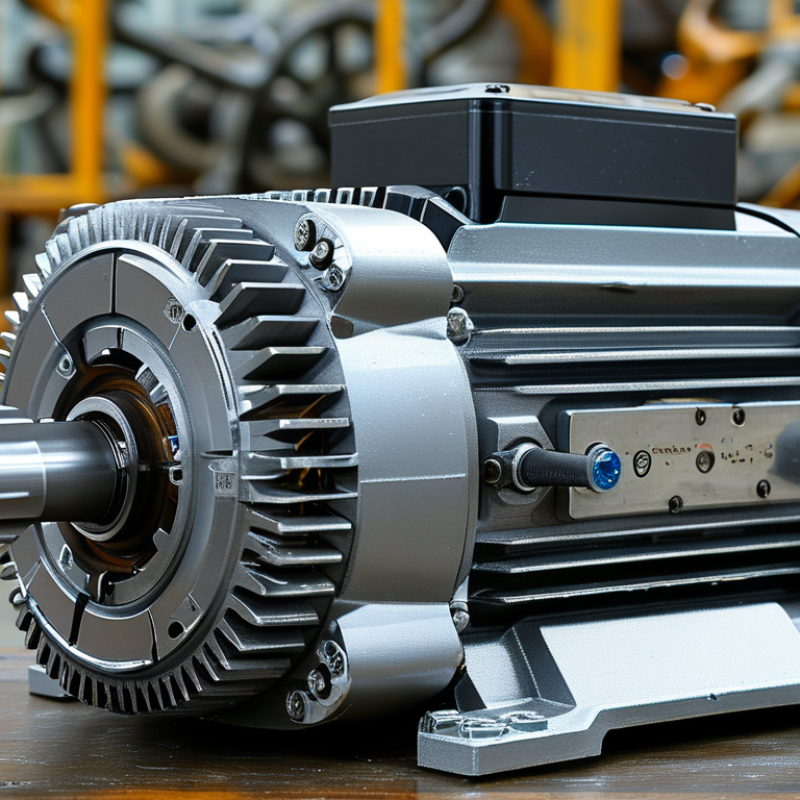
When selecting a DC gear motor, focusing on several key features is crucial. The motor's torque specifications should match your application. High torque is essential for heavy loads, while lower torque suffices for lighter tasks. Always check the gear ratio, as it impacts the speed and efficiency. A higher gear ratio usually means more strength, but slower speeds.
Another factor is the motor's dimensions. Size constraints often dictate motor choice. Ensure the motor fits your design without compromising performance. Heat dissipation is also vital. Motors can generate heat under load, which may affect longevity. Look for models with efficient cooling systems or consider adding external cooling solutions.
Noise level is an overlooked aspect. Some motors operate quietly, while others can be disruptive. Your choice might depend on the environment where the motor will function. Finally, keep an eye on durability. Materials used in construction can greatly influence longevity and reliability. Thorough research is necessary here. Always weigh these features against your specific needs and constraints.
DC gear motors are fundamental components in various applications. They are widely used due to their compact design, efficiency, and precise speed control. These motors combine a direct current (DC) motor with a gear reducer, allowing for high torque output at low speeds. According to industry reports, the global DC gear motor market is projected to grow at a CAGR of 6.5% from 2021 to 2026, driven by increased automation across sectors.
Different types of DC gear motors cater to specific needs. For instance, planetary gear motors are favored in robotics and automotive applications. Their compact size and high efficiency make them suitable for tight spaces. In contrast, worm gear motors are used in applications requiring high torque and low speed. These motors offer great mechanical advantage but can result in lower efficiency. This trade-off is essential to consider in procurement decisions.
Understanding the application requirements is crucial. Each motor type has distinct advantages and limitations. While planetary motors excel in speed control, worm gear motors provide robustness. Industry professionals emphasize choosing the right gear motor based on application needs. This helps optimize performance and reduces energy waste. Evaluating your project's specific needs ensures that the selected motor contributes effectively to overall efficiency.
When it comes to sourcing DC gear motors, understanding key manufacturers and brands is vital for making informed decisions. The market is diverse, with numerous players vying for a share. According to a recent report by Research and Markets, the global DC gear motor market is projected to grow at a CAGR of 6.3% through 2026, emphasizing the importance of quality and reliability in procurement.
Various manufacturers lead the market. Many companies focus on efficiency and performance. Those specializing in custom solutions have gained traction. However, it's essential to consider the potential variations in quality. Some brands may compromise reliability for cost, which can lead to operational inefficiencies. The challenge lies in balancing budget constraints with the need for durable products.
Furthermore, industries such as robotics and automotive heavily rely on these motors. They demand precision and robustness. Data from industry analyses indicate a strong preference for manufacturers with proven track records in innovation. Emerging players may offer competitive pricing, yet established brands often provide better support and warranty options. This dichotomy underscores the need for thorough evaluation in procurement. Selecting the right partner can affect overall project success.
When procuring DC gear motors, understanding the cost structure is crucial. Various factors can influence prices, including torque requirements, speed ratings, and specific application needs. Be prepared to analyze these variables carefully. Research can reveal that high-quality motors may come at a premium, but they often provide better longevity and performance.
Budgeting for these motors requires a keen eye. Consider not just the initial purchase price but also installation, maintenance, and potential downtime costs. Sometimes, a cheaper motor may lead to higher long-term expenses due to frequent repairs or replacements. Balancing quality and cost is often a complex decision that requires reflection.
Additionally, consulting with industry professionals can provide insights that may not be evident at first glance. While online resources are abundant, personal experiences and expertise from specialists can add significant value. Seeking feedback on specific models might uncover previously overlooked information. Ultimately, aligning motor selection with both budget constraints and operational demands is a challenging but essential task.
Maintaining DC gear motors is crucial for their longevity and performance. Regular checks on connections prevent wear and tear. Loose wires can lead to interruptions in operation. It’s vital to inspect the motor mounting frequently. Misalignment can result in increased operational strain. Such issues may cause overheating and reduced efficiency.
Lubrication is another essential aspect. Proper lubrication minimizes friction between components. Choose the right grease; this choice can significantly impact performance. Be cautious about over-lubricating, as it can attract dirt and debris. A dirty motor can lead to serious failures and inefficiencies. Ensure to clean the motor housing regularly, removing dust and contaminants that could affect performance.
Monitoring noise and vibrations offers further insight into potential issues. Unusual sounds often signal internal problems. Addressing these early on can prevent more costly repairs. Remember to document maintenance activities. Keeping detailed records helps in understanding wear patterns. This reflection can guide future upkeep processes. Consistent maintenance is key to maximizing the life of your DC gear motors.
: DC gear motors are used in various applications like robotics and automation. They provide compact design and precise speed control.
Planetary gear motors are ideal for tight spaces due to their compact size and high efficiency. They excel in speed control.
Worm gear motors offer high torque at low speeds. They are robust, but their efficiency may be lower compared to other types.
Understanding the specific application needs is vital. Evaluating advantages and limitations of each motor type can guide your decision.
Consider factors like budget, quality, and efficiency. Durable motors may cost more initially but can save money on repairs later.
Different manufacturers vary in quality and reliability. Choosing based on proven track records can enhance project success and reduce risks.
Cheaper motors might lead to higher long-term costs due to repairs. Balancing initial price with durability is essential for efficiency.
Industry experts provide insights and personal experiences that may not be readily available online. Their advice can inform better decisions.
Besides purchase price, consider installation and maintenance costs. Long-term expenses must also be evaluated to ensure overall affordability.
Balancing budget with quality is difficult. Reflecting on operational demands while staying within budget constraints can be a tough process.
When selecting a DC Gear Motor, several key features should be considered, such as torque, speed, and efficiency, which greatly influence your choice based on specific applications. Different types of DC Gear Motors, including gearhead configurations and planetary designs, offer varied functionalities suitable for diverse uses in robotics, automation, and more.
Understanding the leading manufacturers and brands in the market can guide procurement decisions while ensuring quality and reliability. A thorough cost analysis is essential for budgeting, as prices can vary widely based on specifications and performance capabilities. Finally, to maintain optimal performance of DC Gear Motors, regular maintenance practices should be implemented, including lubrication and inspections, to extend the lifespan and efficiency of these vital components.