The world of Gear Motor Assembly is vast and complex. Many global buyers seek the perfect solutions for their projects. Understanding the different types of gear motor assemblies is essential for informed decisions.
Gear motor assemblies play a critical role in various industries, from automotive to robotics. Their efficiency and reliability can significantly impact productivity. However, the right choice is not always straightforward. Each type features distinct advantages and potential mismatches for specific applications.
Buyers need to consider factors like torque, speed, and size when choosing. The selection process can be challenging, with numerous options available. It’s important to weigh the pros and cons of each assembly type critically. A well-informed choice can lead to long-term success, while a hasty decision might create inefficiencies. Educated buyers can navigate the complexities of gear motor assemblies effectively.
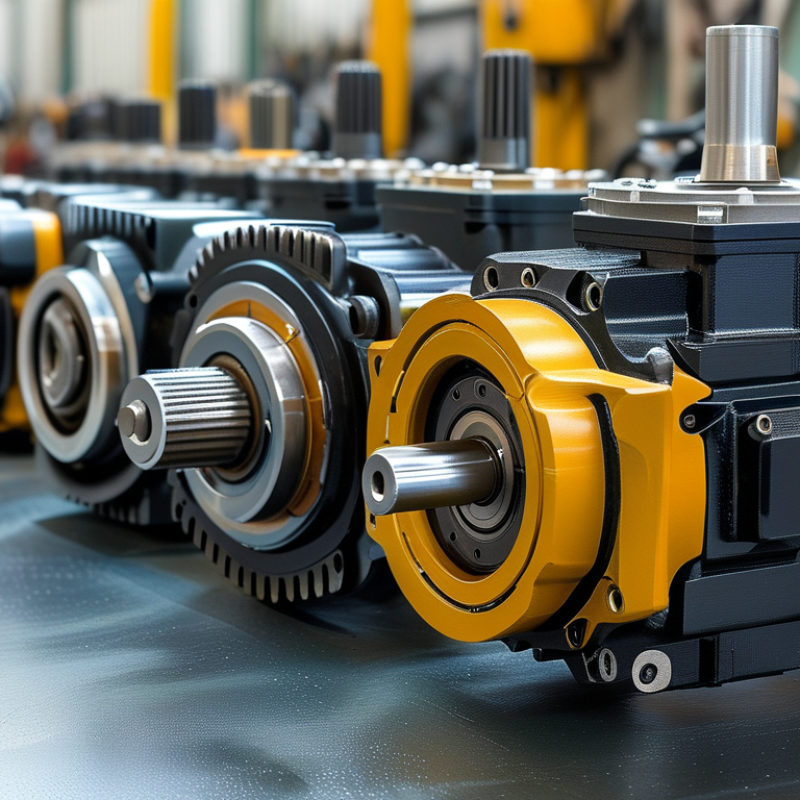
Overview of Gear Motor Assemblies and Their Importance
Gear motor assemblies are vital in various industries. They combine the functions of a motor and a gearbox. This integration enhances efficiency and performance in applications ranging from automotive to robotics. According to a report by Industry Research, the global gear motor market was valued at around $4 billion in 2022 and is expected to grow at a CAGR of 5.5% by 2030. Such growth indicates their increasing importance in modern machinery.
The design of gear motor assemblies plays a crucial role in their effectiveness. Engineers must consider factors such as torque, speed, and application suitability. A mismatch can lead to inefficiencies or failures. Data from the International Journal of Advanced Manufacturing Technology shows that up to 30% of motors fail due to improper specifications. This highlights the need for careful selection and quality control in gear motor assembly design.
Additionally, manufacturers are shifting towards more sustainable gear motors. Innovative designs are increasingly favored for reducing energy consumption. The adoption of materials that minimize environmental impact is on the rise. However, measuring the long-term effectiveness of these innovations remains a challenge for many sectors. As industries evolve, the demand for versatile and reliable gear motor assemblies will continue to grow.
Types of Gear Motor Assemblies: An In-Depth Analysis
Gear motor assemblies play a vital role in numerous applications, including robotics, automotive, and industrial machinery. These assemblies combine gear reduction with motor functionality, providing efficiency and torque precision. Reports from industry experts indicate that the global gear motor market is projected to grow at a CAGR of approximately 6% between 2021 and 2025. This growth is driven by the increasing demand for automation in various sectors.
When selecting a gear motor assembly, consider the type that best suits your needs. For instance, DC gear motors are ideal for low-speed applications, while AC motors excel in high-power scenarios. Additionally, planetary gear motors are noted for their compact design and high torque capabilities. Understanding these distinctions helps buyers make informed choices.
The quality of materials used can also impact performance. For example, gear motors constructed from high-strength alloys typically exhibit better durability. Research suggests that regular maintenance can prolong the lifespan of gear assemblies. Avoid neglecting inspection routines; small issues, if caught early, can save costly repairs later on. Identifying the right specifications is crucial for optimal functionality.
Top 10 Gear Motor Assembly Types for Global Buyers
Key Features to Consider in Gear Motor Assembly Selection
Selecting the right gear motor assembly can be daunting. There are numerous factors to consider that impact performance, efficiency, and cost. According to a recent industry report by MarketsandMarkets, the global gear motor market is projected to reach $28 billion by 2026, driven by the rise in automation across sectors. Key features to look for include torque capacity, speed range, and overall efficiency of the motor.
Torque capacity is critical in applications like robotics and conveyor systems. It's essential to ensure that the gear motor can handle the necessary load without overheating. Speed range should align with the specific application requirements, as most operations don't require maximum speed. Efficiency ratings, often given in percentage, indicate how much energy is converted into usable power. Motors with ratings above 90% tend to provide better long-term savings.
Buyers often overlook noise levels and size constraints in their selection. Excess noise can be detrimental in residential areas or quiet facilities. Furthermore, compact designs often facilitate easier integration into existing systems. As the demand for customizable solutions grows, addressing these overlooked details becomes increasingly important. The right gear motor assembly not only enhances productivity but also reduces potential system failures.
Top 10 Gear Motor Assembly Types for Global Buyers
| Gear Motor Type |
Key Features |
Applications |
Efficiency Rating |
| Helical Gear Motor |
High torque, quiet operation |
Conveyor systems, mixers |
85-95% |
| Worm Gear Motor |
Compact design, self-locking |
Lifts, speed reducers |
70-85% |
| Planetary Gear Motor |
High load capacity, compact |
Robotics, automotive |
90-98% |
| Spur Gear Motor |
Simple design, easy to maintain |
Pumps, compressors |
80-90% |
| Bevel Gear Motor |
Change of axis direction, high strength |
Industrial machinery |
75-85% |
| DC Gear Motor |
Variable speed, low power consumption |
Home appliances, toys |
70-80% |
| AC Gear Motor |
Robust design, continuous operation |
Fans, blowers |
80-90% |
| Stepper Gear Motor |
Highly accurate, controllable |
3D printers, CNC machines |
85-90% |
| Servo Gear Motor |
Precise control, fast response |
Robotics, automation |
90-95% |
| Geared Stepper Motor |
High torque at low speeds |
Industrial drives, packaging |
85-95% |
Global Market Trends and Demands for Gear Motor Assemblies
The global market for gear motor assemblies is experiencing significant growth. According to industry reports, the market is projected to reach over $14 billion by 2025, with a compound annual growth rate (CAGR) of around 6%. This growth is driven by advancements in automation and increasing demands in various sectors such as manufacturing and automotive.
In particular, the demand for compact, efficient, and versatile gear motors is soaring. Buyers are seeking durability and high performance. Reports indicate that brushless gear motors are gaining traction due to their efficiency and low maintenance requirements. However, navigating varying quality standards remains a challenge for global buyers.
Market needs also shift towards customization. Many industries require specific gear ratios and output configurations. Yet, sourcing tailored solutions often leads to longer lead times and increased costs. This reflects a need for adaptive supply chains that can quickly respond to market fluctuations. Embracing innovation while maintaining reliability is essential for suppliers aiming to meet evolving buyer expectations.
Applications of Gear Motor Assemblies in Various Industries
Gear motor assemblies play a vital role across various industries, demonstrating their versatility and efficiency. In manufacturing, gear motors are essential for automating machinery. According to a recent report by the International Federation of Robotics, over 2.7 million industrial robots are deployed worldwide, many equipped with gear motors. These motors enable precise control and enhanced performance, leading to increased productivity in assembly lines.
In the automotive sector, gear motors are integrated into electric vehicles (EVs), where they serve in powertrain systems. The global electric vehicle market is projected to reach 26.3 million units by 2030. Gear motors enhance energy efficiency, crucial for maximizing vehicle range. However, as the industry evolves, manufacturers face challenges in maintaining scalability while ensuring product reliability.
Another significant application can be found in the renewable energy sector. Gear motors are integral to wind turbine operation, enabling blade pitch control. A report from the Global Wind Energy Council indicates that wind energy capacity reached 743 GW in 2020. As demand grows, the reliability of gear motors in these applications is under scrutiny. Industry experts argue that while gear motors are essential, investment in advanced materials and designs is necessary to overcome performance issues.
FAQS
: Torque capacity is essential for handling load in robotics and conveyor systems. It prevents overheating during operation.
Speed range should match application requirements. Most operations don’t need maximum speed for efficiency.
Efficiency ratings indicate energy conversion into usable power. Motors above 90% offer better long-term savings.
Excess noise can disrupt quiet environments, like homes or offices. It's crucial to consider this when selecting a motor.
Compact designs allow easier integration into existing systems. Buyers often overlook size, which can lead to installation issues.
Gear motors automate machinery, allowing for precise control. This leads to increased efficiency in assembly lines.
They are part of powertrain systems, enhancing energy efficiency and vehicle range in the growing EV market.
They control wind turbine blade pitch, essential for operation. Reliability is becoming increasingly important as demand grows.
They must balance scalability and product reliability, especially in fast-evolving industries like automotive and renewable energy.
Advanced materials and designs are necessary to address performance concerns and improve reliability in various applications.
Conclusion
The article "Top 10 Gear Motor Assembly Types for Global Buyers" provides a comprehensive overview of gear motor assemblies, emphasizing their critical role in various applications. It delves into different types of gear motor assemblies available in the market, offering an in-depth analysis of their designs and functionalities. The discussion extends to the essential features that buyers should consider when selecting a gear motor assembly, ensuring they meet specific operational demands.
Additionally, the article highlights current global market trends and the increasing demand for gear motor assemblies across various industries, showcasing their versatility and importance in machinery and automation processes. The insights help inform global buyers about the best choices to enhance efficiency and performance in their respective applications, making it a valuable resource for those engaged in the selection and procurement of gear motor assemblies.
 Dynetic Motor
