Home >
Coreless dc motor >
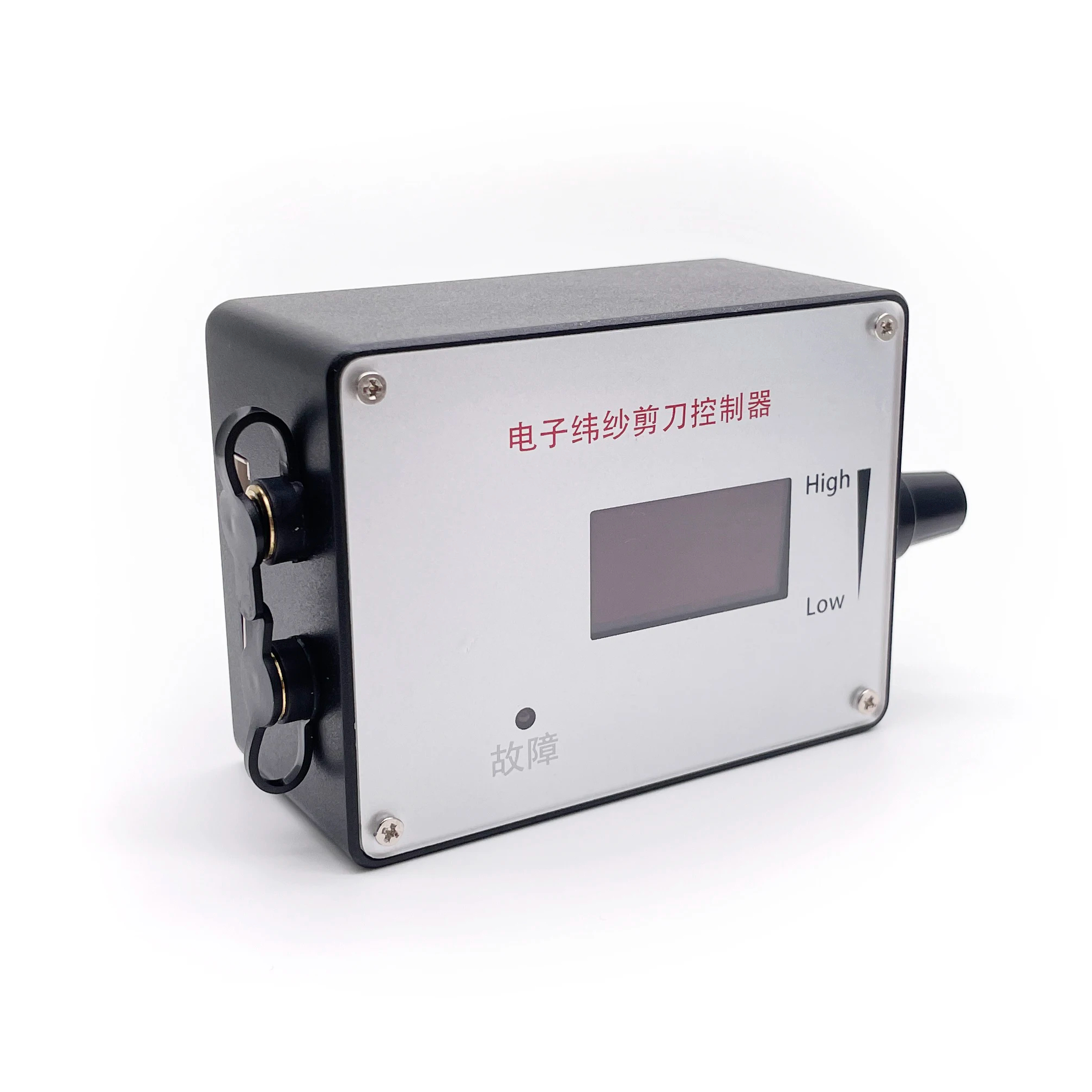
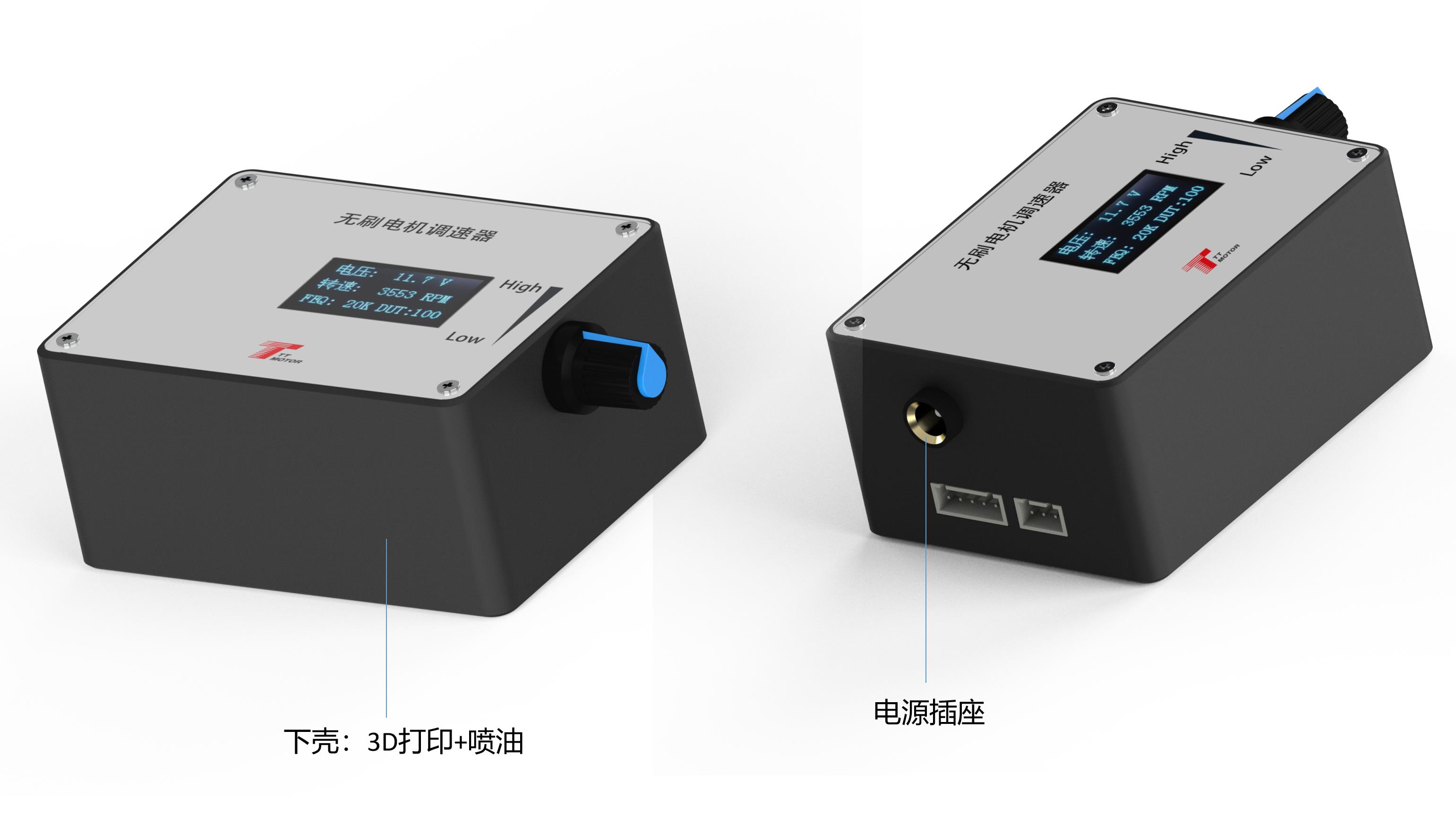
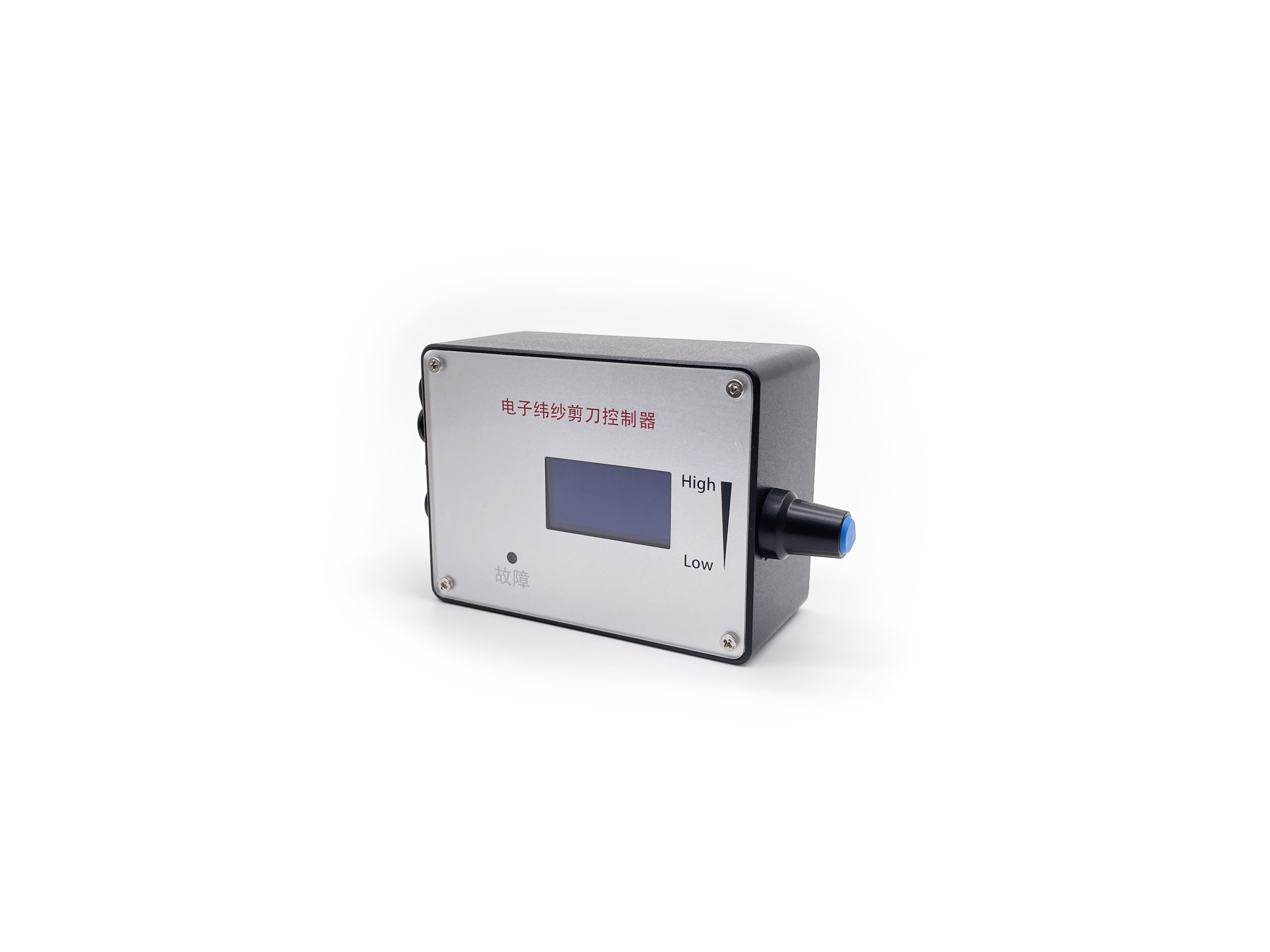
DC Motor Speed Controller DC 12V 24V DC Brushless Motor Speed Controller With Forward-Brake-Reverse Switch Ajustable Display
1 / 5
DC Motor Speed Controller DC 12V 24V DC Brushless Motor Speed Controller With Forward-Brake-Reverse Switch Ajustable Display
Rated current: MAX2A. To control motors with greater current, connect the motor power line directly to the power supply, bypassing the governor.
3
PWM output frequency: 0~100KHz.
4
Analog voltage output: 0-5V.
5
Temperature limits: Working: -10°C to 70°C | Storage: -30°C to 125°C.
6
Driver board size: 60mm (length) x 40mm (width).
Governor Wiring and Internal Function Description
1
Governor, motor power supply positive input.
2
Governor, motor power input negative.
3
The positive output of the power supply of the motor.
4
Negative output of the power supply of the motor.
5
High and low level output of positive and negative rotation control. High level: 5V, low level: 0V. Controlled by touch switch 2 (F/R), default is high level.
6
High and low level output of brake control. High level: 5V, low level: 0V. Controlled by touch switch 1 (BRA), power-on default is high level.
7
Analog voltage output (0~5V). This interface is suitable for accepting analog voltage speed regulation motor.
8
PWM1 reverse output. This interface is suitable for motors accepting PWM speed regulation; speed is inversely proportional to the duty cycle.
9
PWM2 forward output. This interface is suitable for motors accepting PWM speed regulation; speed is proportional to the duty cycle.
10
Motor feedback signal input.
Important Notes on Output & Feedback Settings:
The output signal changes of the three interfaces (7, 8, 9) are adjusted by the potentiometer.
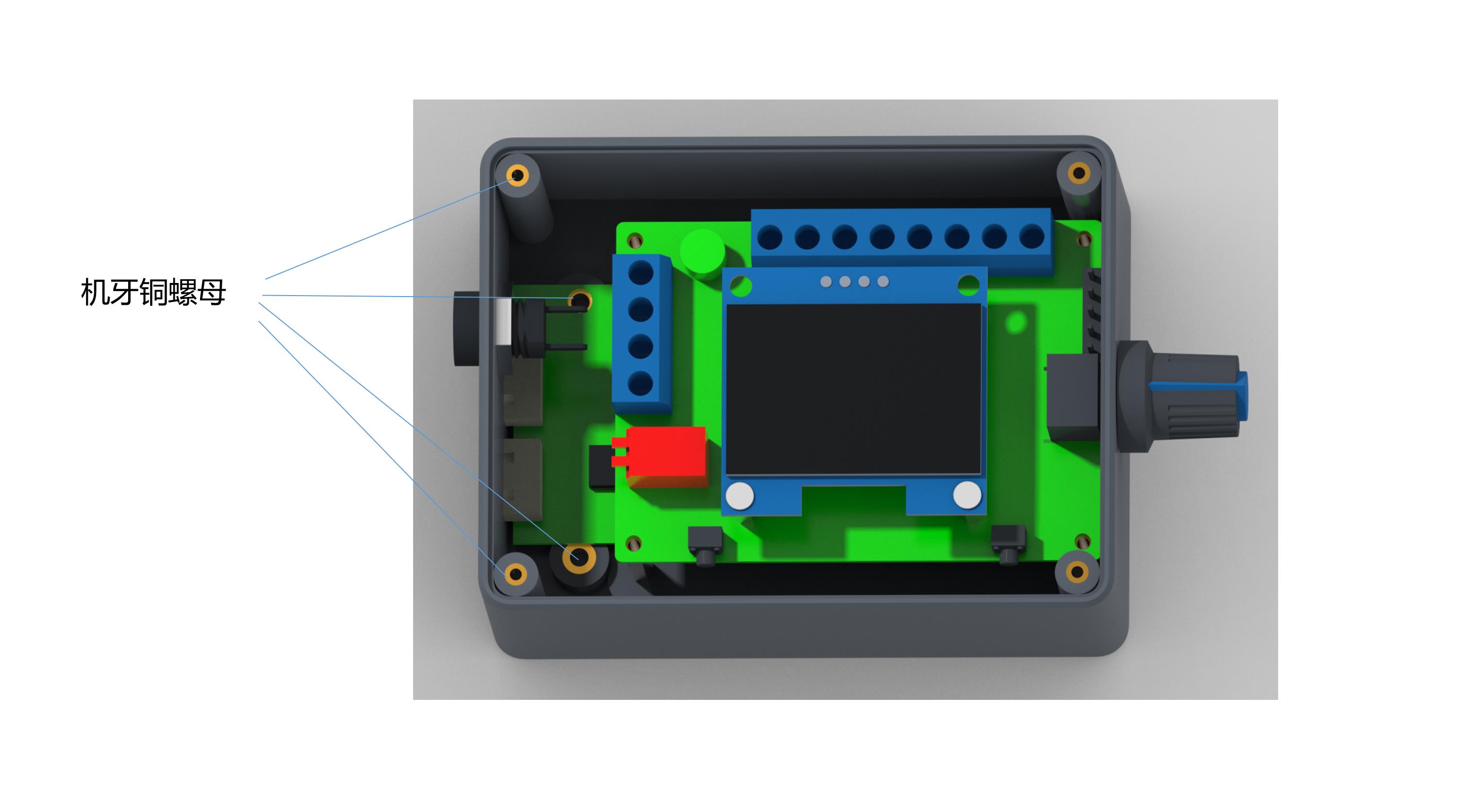
FG/FG*3 & CW/CCW Configuration: FG/FG*3 should be based on the actual motor feedback times to determine whether to add a jumper cap. No jumper cap signifies a single times FG, while an added jumper cap yields 3 times FG*3. The same applies for CW/CCW setting.
Governor Parameter Settings
1. Frequency Setting
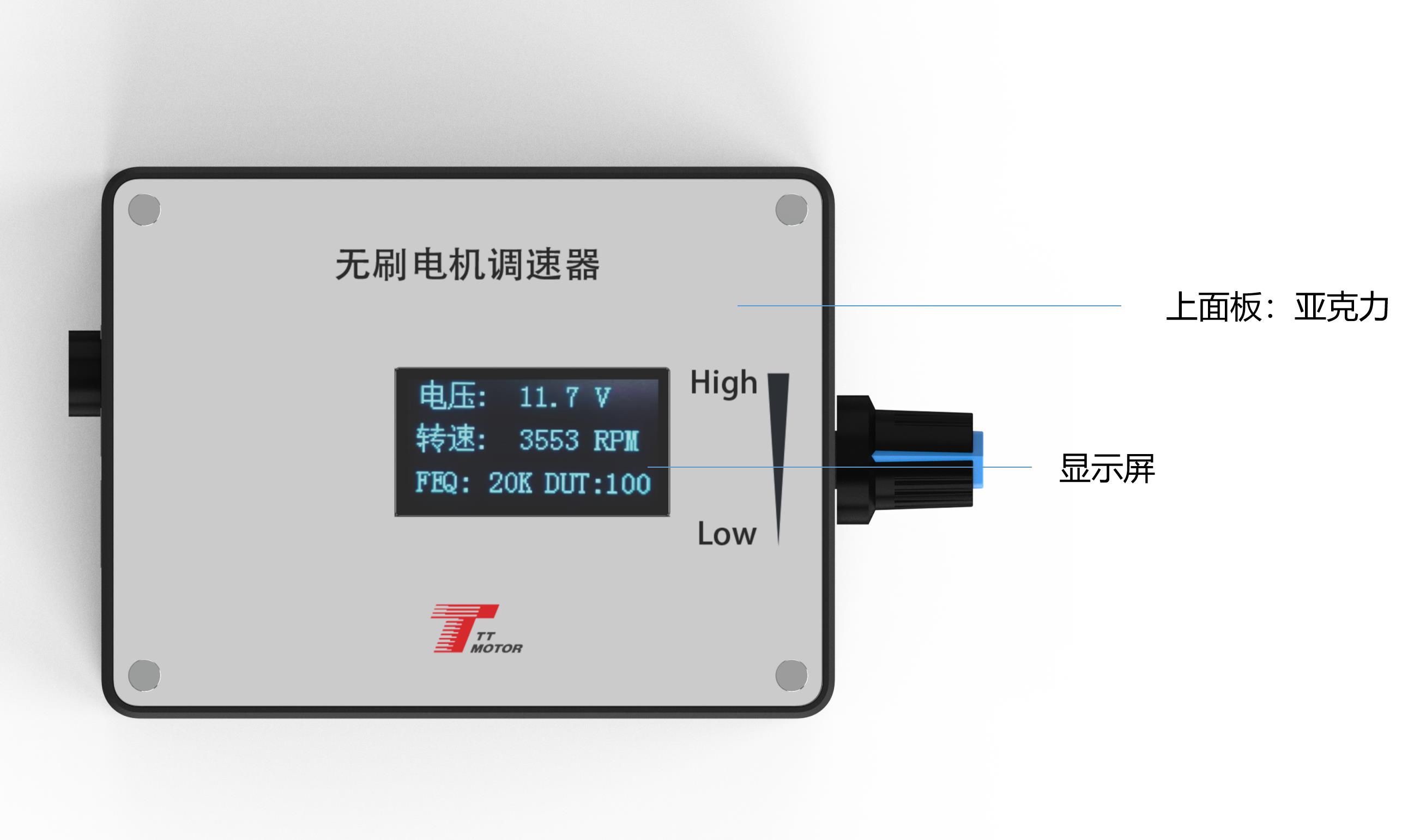
Before power-on, press and hold touch switch 1. Power on the governor board and release the button when the screen displays "FEQ:20K". Touch switch 1 to decrease or touch switch 2 to increase the frequency to your specification. The factory default is 20KHz.
2. Number of Poles Setting
Before power-on, press and hold both touch switch 1 and touch switch 2 simultaneously. Power on the governor board and release both buttons when the screen displays "number of poles: 1 polarity". Touch switch 1 to decrease or touch switch 2 to increase the pole count according to your motor design. The factory default is 1 pole.
3. Feedback Setting
Configure the FG/FG*3 pin (refer to Figure 1) as the feedback multiple. Set based on whether the feedback multiplier of the motor is single FG or three-fold FG. Adding the jumper cap sets it to 3 times FG; leaving it off keeps it at single FG.
4. Direction Setting
The CW/CCW pin (refer to Figure 1) determines the motor's initial directional state. Adjust this setting based on whether the motor is CW or CCW when the direction control line is suspended. Add a jumper cap for CCW, or leave it without a jumper cap for CW.
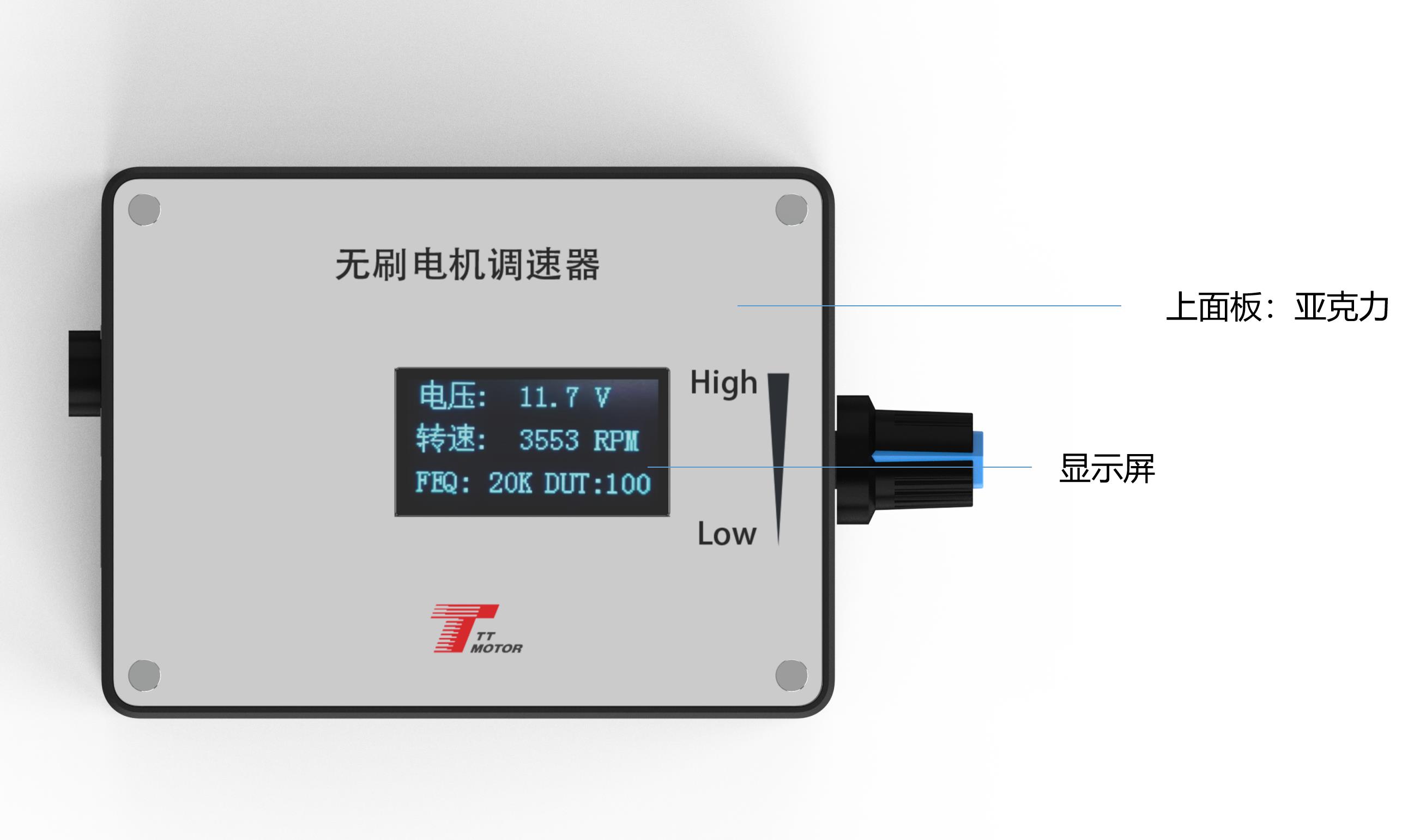
Main Screen Display: The display screen primarily showcases four main indicators: Input Voltage, Speed, Frequency, and Duty Cycle. The speed must be configured correctly according to the feedback multiplier (FG/FG*3) and the number of poles for normal display.
Governor Precautions
⚠️
The positive and negative power supply lines of the governor must be wired strictly in accordance with instructions. They must not be reversed; doing so will prevent operation and damage/burn the governor.
⚠️
The governor is designed exclusively to match motors configured with the control interfaces described above.
⚠️
The five signal ports (interfaces 5 to 9) cannot access voltage exceeding 5V.
Frequently Asked Questions (FAQ)
Q1: What is the operating voltage range for this governor?
A1: The governor operates within a DC voltage range of 5V to 28V.
Q2: How can I control a motor that requires more than the rated 2A current?
A2: For motors demanding larger current, you should connect the motor's power line directly to the external power supply rather than routing it through the governor.
Q3: How do I change the PWM frequency and what is the default setting?
A3: The default setting is 20KHz. To adjust it, press and hold switch 1 before powering on. Once the screen shows "FEQ:20K", release the button and use switch 1 to decrease or switch 2 to increase the frequency.
Q4: What is the purpose of the FG/FG*3 jumper cap setting?
A4: It configures the feedback multiplier. If no jumper cap is added, the board reads a single FG feedback signal. Adding the jumper cap changes the feedback read to 3 times (FG*3).
Q5: Can I apply a voltage higher than 5V to the control signal ports?
A5: No. The five control ports (interfaces 5 through 9) must not be connected to any voltage source exceeding 5V. Doing so may damage the control circuitry.
 Dynetic Motor